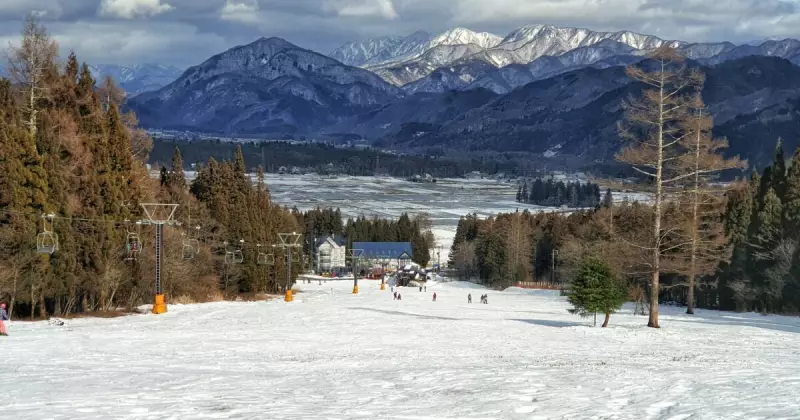
While much of Australia swelters through another scorching summer, a growing number of Novocastrians are making a surprising seasonal swap. Instead of packing beach towels and sunscreen, they're zipping up snow gear and heading for the world-class ski fields of Japan.
The Great Australian Snow Exodus
International departure lounges tell a clear story. Australian overseas trips surged by 16.2 per cent in 2024, reaching 11.6 million journeys. But one destination stands out: Japan. Visitor numbers from Australia to the Land of the Rising Sun skyrocketed by an astonishing 56.9 per cent, with nearly 800,000 Australians making the trip. A significant portion of these travellers, especially from cities like Newcastle, Sydney, and Melbourne, had one goal in mind – chasing the legendary ‘japow’.
During the 2024-2025 season, Australians became the dominant international force on Japanese slopes. Visa data reveals they accounted for around 30 per cent of all foreign visitors to Japanese ski resorts, outnumbering American, Chinese, and Southeast Asian tourists combined.

Top Japanese Destinations for Snow Chasers
Three key resorts are capturing the hearts (and wallets) of Australian skiers and snowboarders.
Niseko on the northern island of Hokkaido remains the king, attracting half of all foreign visits and leading in total tourist spending. Its English-friendly infrastructure makes it a favourite for families.
Hakuba in Nagano Prefecture has earned the nickname ‘the second Niseko’ after seeing a 45 per cent year-on-year jump in visitors. It offers a more authentic Japanese experience with easier access from Tokyo.
For those seeking quieter slopes, Furano in Hokkaido provides an authentic alternative without the crowds, recording a 50 per cent increase in popularity over the past year.
Five Compelling Reasons to Choose Snow Over Sun
So why are Newcastle residents investing in long-haul flights when the Snowy Mountains are a drive away? The reasons are both practical and experiential.
1. Perfect Family Holiday Timing: The Australian summer school holidays in January align perfectly with the peak snow season in Japan. It offers a thrilling alternative to overcrowded, hot local beaches.
2. Significant Cost Savings: The financial argument is powerful. A daily lift pass at a Japanese resort costs between $53 and $70. Compare that to $189 to $219 per day at Thredbo or Perisher. For a family of four, that’s a saving of $400 to $600 per week on lift passes alone.
3. Surprisingly Simple Logistics: An overnight flight from Sydney lands you in Tokyo by morning with minimal jet lag, thanks to similar time zones. From there, a swift bullet train can have you at your chosen resort in one to four hours.
4. Unbeatable Snow Quality: Japan’s famous ‘japow’ is light, dry powder, a world away from the heavier, wetter snow often found in Australia. This makes for softer falls, easier skiing, and breathtaking winter scenery.
5. A Rich Cultural Bonus: The holiday extends beyond the slopes. Soaking in natural hot springs (onsens), exploring ancient temples, and sampling authentic ramen add layers of experience you simply can’t get at a local ski field.
Smart Planning for Your Winter Summer
To secure the best deals, planning is key. The optimal time to book a January ski trip is August or September, before prices climb. A pro tip for avoiding the crowds: consider travelling in February. You’ll find prices 20-30% lower, equally good snow, and far fewer people after the Australian school holiday rush ends.
The choice between Hokkaido and Honshu (Japan's main island) depends on your priorities. Hokkaido offers more reliable snow conditions but is more expensive and time-consuming to reach. Resorts in Nagano on Honshu, like Hakuba, are more accessible (just 79 minutes by express train from Tokyo) and offer a more authentically Japanese atmosphere.

The Essential Tech Upgrade: eSIMs
Modern mountain holidays rely on smartphones for everything from trail maps to avalanche warnings. Traditional connectivity solutions like local SIM cards or expensive international roaming are fraught with hassle and hidden costs.
This is where travel eSIMs, like those offered by Yesim, have become a game-changer. An eSIM is a digital SIM embedded in your phone, activated via an app or QR code before you travel.
Yesim provides several key benefits for travellers:
- Automatic connection to the strongest local network in mountain areas.
- Flexible data plans for specific countries or global coverage across 80+ destinations.
- A ‘Pay & Fly’ pay-as-you-go option for maximum flexibility.
- The ability to manage multiple eSIMs for the whole family from one account.
New users can test the service with a 500MB trial for three days at just A$0.83, and get 15% off their first order with the promo code GETYESIM15.
A New Summer Tradition
What was once an eccentric idea has become a compelling new tradition for many Australian families. With superior snow, lower costs, rich cultural experiences, and now seamless connectivity, the appeal is clear. So this summer, while your neighbours battle the heat, you could be carving fresh tracks through Japan’s famous powder, sharing a stunning mountain photo as your ultimate summer holiday card.