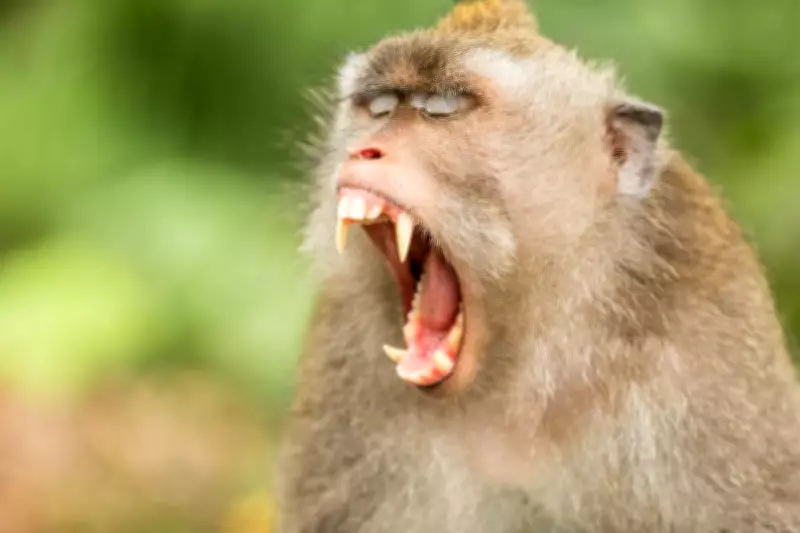
Holidaymakers are being urged to exercise caution around monkeys during their travels, as new data reveals a dramatic spike in insurance claims related to primate encounters. Southern Cross Travel Insurance has reported that monkey-related travel insurance claims have skyrocketed by an astonishing 350 per cent over the last two years, highlighting a growing trend that is costing travellers both money and peace of mind.
Sharp Rise in Claims Prompts Travel Warnings
Southern Cross Travel Insurance recently completed its comprehensive 2025 round-up of travel insurance claims, which has prompted the company to issue a stark warning for tourists. A spokesperson for the insurer emphasised that while destinations like the Monkey Forest in Bali or Monkey Island in Thailand might be popular attractions, they come with significant risks. The data underscores the need for travellers to be vigilant and prepared when visiting areas inhabited by monkeys.
Medical Treatment and Theft Incidents Dominate Claims
The majority of the insurance claims, accounting for 78 per cent, were for medical treatment necessitated by bites or scratches from monkeys. These injuries often require urgent care and can lead to complications if not treated promptly. However, the report also detailed several alarming cases of theft-by-monkey, adding a new dimension to the risks involved.

In one notable incident, a traveller reported that a gang of monkeys broke into their villa in Bali and stole a mobile phone, causing both financial loss and distress. Other travellers have had personal items such as sunglasses and prescription lenses snatched directly off their faces by agile primates. These thefts not only result in property loss but can also disrupt travel plans and lead to additional expenses.
Serious Health Risks from Monkey Encounters
Beyond theft, some encounters have led to severe health concerns. For example, a child visiting the Ubud Monkey Forest in Bali was hit in the eye by a monkey, requiring two rabies shots and a course of antiviral medications to combat potential rabies exposure. This case highlights the serious medical implications that can arise from seemingly harmless interactions with wildlife, emphasising the importance of having adequate travel insurance coverage.
Southern Cross Travel Insurance, with over 40 years of experience supporting more than six million travellers worldwide, advises holidaymakers to take precautions. These include keeping a safe distance from monkeys, securing personal belongings, and being aware of local guidelines when visiting primate habitats. As travel to destinations like Bali and Thailand continues to grow, understanding these risks is crucial for a safe and enjoyable holiday experience.