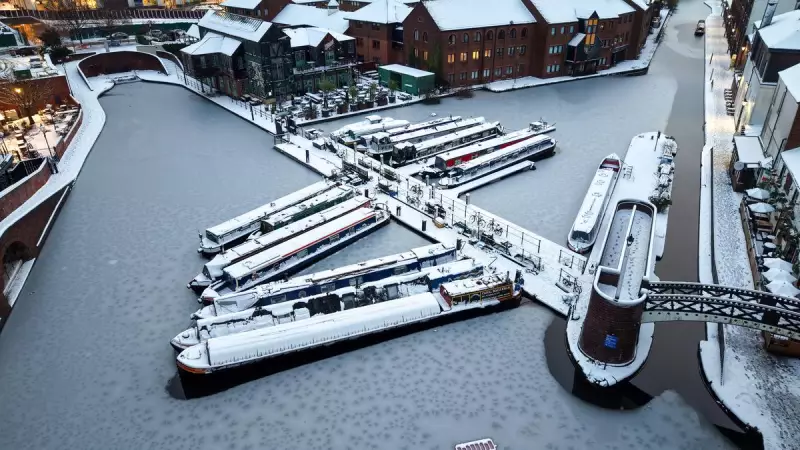
A brutal and unseasonably severe cold snap, spearheaded by the fierce Storm Goretti, has sent a deep freeze across Europe, paralysing transport networks and leaving thousands of travellers stranded or facing major delays.
Transport Networks Grind to a Halt
The extreme weather, far more intense than usual for northern, central, and eastern Europe, has caused widespread disruption from the UK to the Baltic states. Storm Goretti, named by Météo-France, battered north-west France and triggered red 'danger to life' warnings in south-west England, with amber alerts for snow and wind across the Midlands.
The impact on travel has been profound and continent-wide. Major incidents include:

- German rail operator Deutsche Bahn suspending all long-distance services in the north of the country.
- The cancellation of more than 700 flights in a single day at Amsterdam's Schiphol Airport.
- Ferry services on Germany's North Sea coast coming to a standstill.
- A key road between Prague and Germany being blocked in two places near the border.
- Public transport failing in parts of the Czech Republic.
In the Baltic nations, authorities in Estonia and Lithuania pleaded with people not to drive due to blizzards, while Latvia's west was under a snow alert. The cold reached terrifying depths in northern Finland, where temperatures plunged to -37°C on Sunday, forcing the cancellation of flights at Kittila airport as de-icing operations became impossible.
Insurance and Advice for Stranded Travellers
For the many tourists caught in this chaos, comprehensive travel insurance has become critically important. Good policies typically cover delays and disruptions, often reimbursing costs for hotels and meals when delays exceed a set period, commonly six hours or more.
Experts advise that travellers should first claim refunds directly from their airline or transport provider and obtain written confirmation for any insurance claim. For example, a plan like Allianz Travel Insurance with a delay benefit may cover eligible expenses for meals, accommodation, and communication, as well as lost prepaid expenses if you miss part of your trip.
"The delay must be caused by a covered reason, like a weather-related airline delay, and last for the minimum time stated in your plan," a spokesperson noted. Maximum limits and exclusions always apply, so checking your Product Disclosure Statement for specific durations and conditions is essential.
A Continent in the Grip of Winter
The disruption extended beyond northern Europe. In the Mediterranean, gale-force winds around Greece's main port of Piraeus prevented ships from leaving for days. Meanwhile, in Scotland, the severe conditions were met with local resilience and even recreation, with reports of people 'ice winging' on frozen Loch Insh near Kingussie.
As temperatures in Finland dropped even lower on Monday, the event underscores the vulnerability of modern travel infrastructure to extreme weather. For Australians planning European winter getaways, this serves as a stark reminder to review travel insurance coverage thoroughly before departure and prepare for potential weather-related disruptions.