If Sam Neill, clad in his iconic Panama hat, had tapped me on the shoulder and yelled "run!", it would have felt perfectly at home. The first sight of Miyajima Island from the train window evokes the epic, untouched panoramas of a Jurassic Park film. Lush, dense forests cloak towering mountain ranges, while cool, bright sunlight glints off expansive brown sandy beaches.
The Journey to a Sacred Island
Commonly known as Miyajima, Itsukushima Island is a 45-minute train ride from Hiroshima in southwest Japan. The rail journey is just the beginning; visitors must then board a ferry for the final crossing. Even with a JR Rail pass, you need to queue to purchase a 100 yen (about $1) landing ticket. Two ferries operate the route, with the trip taking roughly 15 minutes each way. Brace for a chilly wind on the water and prepare for crowds, as this is a major tourist destination.
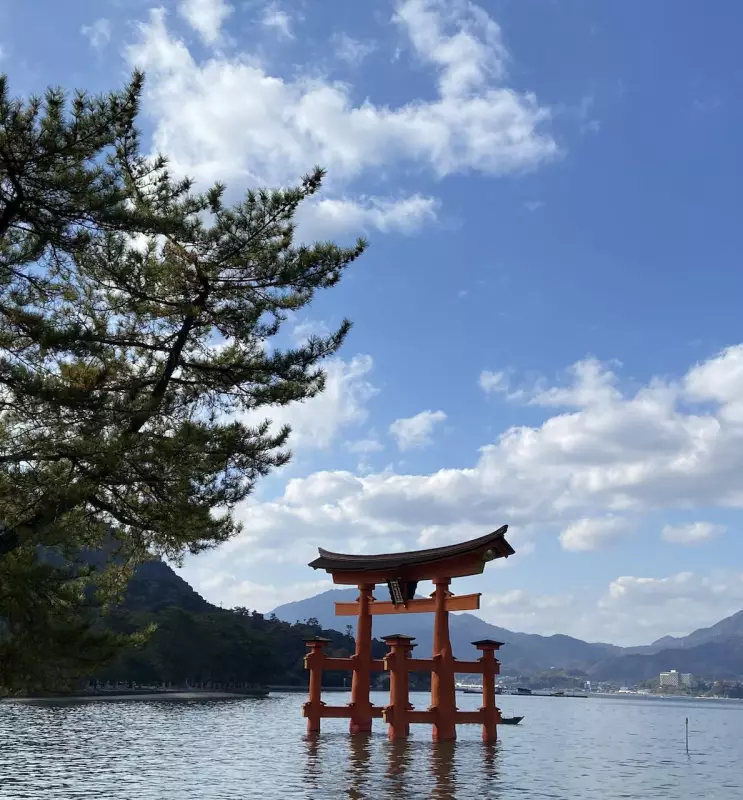
The island's fame stems from its UNESCO World Heritage-listed Shinto shrine and the great Torii gate, which appears to magically float on the high tide. A large Buddhist temple filled with statues and lanterns adds to the spiritual atmosphere. The scene is shared with wild deer that freely mingle with locals and tourists. Unlike the famous bowing deer elsewhere, these are known to be opportunistic, sometimes snatching tickets straight from visitors' hands.

Ascending Mount Misen via the Ropeway
While the iconic gate draws the social media crowds, I headed for the cable car, known in Japan as a Ropeway, to ascend Mount Misen. Tickets are sold for one-way or round trips, with many opting to ride up and hike down. A crucial tip: there are no ticket facilities at the mountain summit. If you hike up without a pre-purchased one-way ticket down, you'll be walking all the way back—a lesson a weary traveller from Wales learned the hard way. Also, note that the last cable car departs the summit promptly at 4:30pm. Staff will close the line on time, so allow ample queuing time.
The Ropeway journey involves two stages: a steep, long section in a small 6-person car, followed by a shorter, more moderate incline in a larger 25-person cabin. Wait times vary; I waited 45 minutes for the first leg but only 10 for the second. The ride offers spectacular views over deep valleys and ridges, with oyster beds visible in the surrounding waters and ferries shuttling back and forth below.
The Summit and the Eternal Flame
From the top station, a further 45-minute hike leads to the true summit, passing dramatic rock formations and the Buddhist Reikado Hall. This hall safeguards a flame said to have been burning for over 1,200 years, and it was used to light the Flame of Peace in Hiroshima's Peace Park. Most visitors stop at the Shishiiwa Observatory, situated over 430 metres above sea level, which provides an extraordinary panoramic view across the Seto Inland Sea towards Hiroshima.
For a truly unique experience, consider staying overnight. Shopkeepers on the island confided that the early morning quiet is the perfect time for a hike. While the autumn foliage is a breathtaking reason to visit, the magnetic pull of the Torii gate is undeniable. On my return to the ferry, I captured shots of the gate at low tide, proving I could snap a selfie with the best of them.