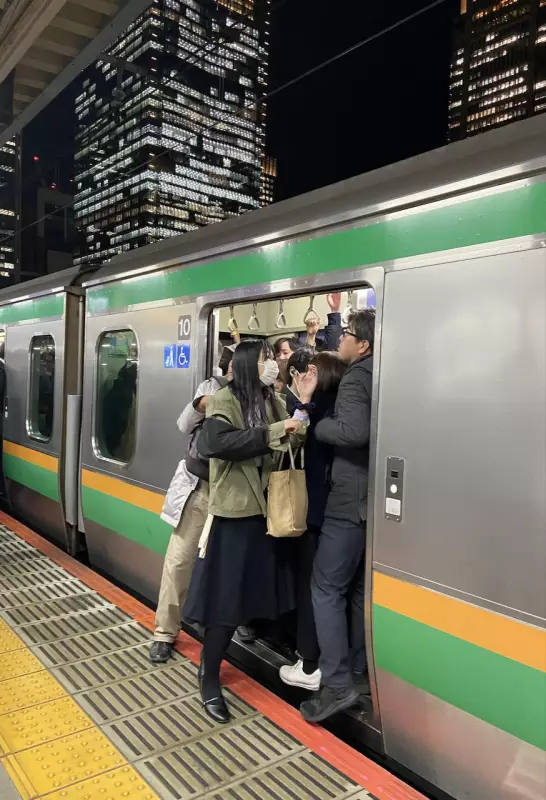
For residents and visitors in Tokyo, the relentless energy of one of the world's most populous metropolitan areas can become overwhelming. The sensation of being amidst a crowd of over 40 million people is palpable, especially on the city's famously packed trains where commuters press against closing doors. Seeking respite from this urban intensity, a journey south to the coastal town of Kamakura offers a perfect and accessible escape.
From Capital Crowds to Coastal Calm
The escape begins with a straightforward 50-minute train ride on the Yokosuka line from Shinagawa Station. This former political capital of Japan, which flourished as a temple town in the 17th century, promises history and fresh sea air. Upon arrival, a transfer to the charming local Enoden line leads directly toward one of Kamakura's most iconic sights: the Kotokuin Temple and its Great Buddha (Daibutsu).
Cast in bronze in 1252, this monumental statue stands 11 metres tall in the open air. A small fee allows visitors not only to admire its serene presence but also to venture inside to see the intricate joinery and historical repairs. The statue's resilience is notable; it has endured for centuries after losing its shelter to a tidal wave in 1492 and surviving base damage from the 1923 earthquake. Ingenious 1960s engineering even allows it to move on its base during seismic events.

Unexpected Encounters and Sacred Grounds
Walking from the Buddha toward the Tsurugaoka Hachimangu shrine, dedicated to the Minamoto family and samurai, a delightful detour awaits. An 'Owl Forest' offers a chance for a face-to-face meeting with 16 different owls, many rescued from pet shops. The experience of gently stroking the head of a Great Horned Owl is a memorable highlight far removed from Tokyo's rush.
The shrine itself, when not hosting a function with families in colourful kimonos, is a haven of peace. Its grounds feature tranquil ponds surrounded by Japanese maple trees, where ducks and koi coexist beneath sacred fluttering flags.
Island Legends and Sunset Views
The final leg of the journey leads to Enoshima Island, reached as the sun begins to set. The climb to the top, reminiscent of Mont Saint Michel in France, winds past bustling shops. For a small fee, escalators assist the ascent, though they operate one way only. The reward is a breathtaking panorama of the setting sun over the water with Mt. Fuji gracing the horizon.
Nestled just above the high-tide mark are Enoshima's two fascinating caves, each around 150 metres long. Informative boards detail their geological formation, but the local legends are more captivating. One tale speaks of a five-headed dragon who fell in love with a wise maiden, promising to stop terrorising locals to win her hand. Another myth suggests a secret underground passage links the caves directly to Mt. Fuji, connecting the island's dragon lore with Japan's sacred mountain.
After a full day of exploration, the return to Tokyo is a swift one via an express train from Ofuna station. The transition back to reality is immediate, marked once again by the long lines of people forming at the station gates. Yet, the memories of Kamakura's clear air, ancient statues, and coastal myths provide a lasting counterbalance to the metropolis's relentless hustle and bustle.