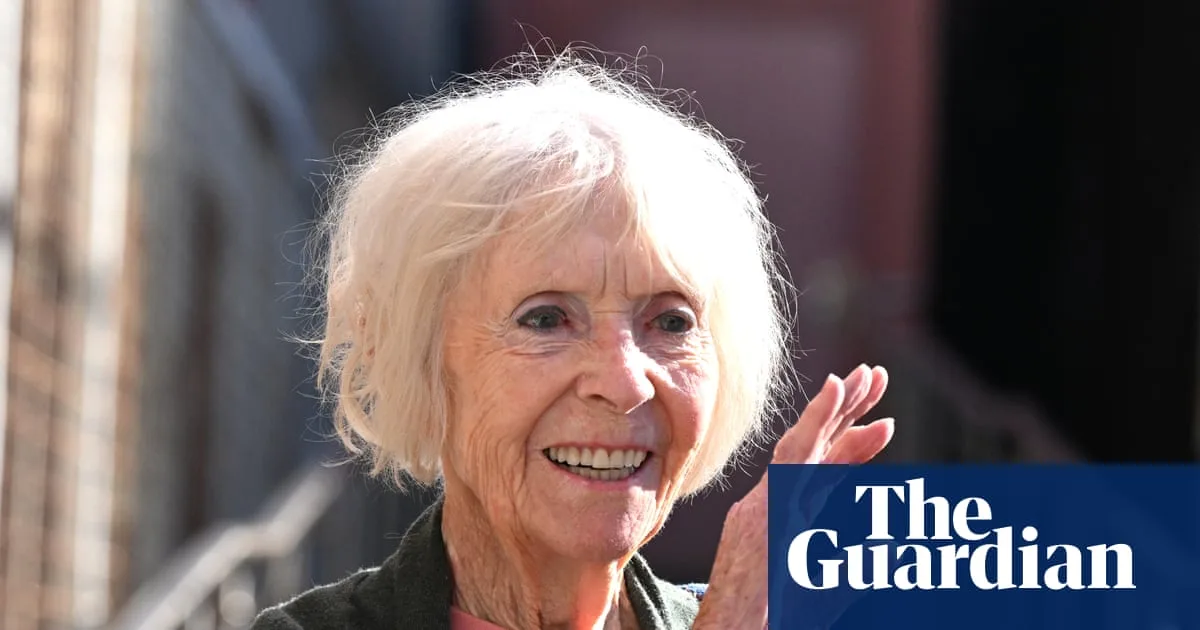
An 81-year-old woman accused of supporting a dodgy euthanasia service that provided a Gold Coast victim with a life-ending veterinary drug has been released from police custody. Elaine Arch-Rowe was one of three people charged over a police probe into the alleged assisted suicide of a Gold Coast man, with about 20 other deaths being investigated.
Arch-Rowe is accused of assisting Brett Daniel Taylor, 53, with his end-of-life business which allegedly provided the victim with a veterinary euthanasia drug sourced under false pretences via a whale charity. The other co-accused is Taylor’s 80-year-old father.
A coroner ordered a police investigation after a postmortem of the Gold Coast man who died in April revealed a lethal dose of pentobarbitone, a life-ending drug for animals, as his cause of death. The drug is tightly controlled in Queensland.

Police prosecutor Casey-Lee Beck told Southport magistrates court there were recorded conversations between Arch-Rowe and an undercover operative about allegedly supplying animal euthanasia drugs to kill people. The police investigation has been widened to include other deaths dating back to 2021, with “around or greater than 20” to be probed.
Arch-Rowe was granted bail despite opposition from the prosecution. Magistrate Deborah Mitchell said she could not describe the prosecution case as weak but noted Arch-Rowe faced the possibility of spending more time on remand than any sentence she would likely receive if found guilty. Arch-Rowe’s lawyer, Michael McMillan, argued the case for aiding suicide was very weak.
Arch-Rowe was banned from contacting the two co-accused, possessing illegal assisted suicide drugs, or participating in Exit International. Her case will return to court on 17 October.