Cambridge Master Plan Puts Local Sports Clubs on Hold for Years
Local sporting clubs in the Town of Cambridge are bracing for significant setbacks as a new sport and leisure master plan threatens to delay much-needed developments for several years. The recently announced Leisure Assets Master Plan (LAMP) has prompted the council to pause approvals for any new or unplanned improvements to local leisure or sporting facilities while the framework is developed.
Master Plan Framework and Timeline
The LAMP is designed to create a comprehensive framework guiding the town's investments in community facilities and open spaces for the next five decades. Development of the plan is expected to take between twelve and twenty-four months to complete. This master plan will encompass all local sporting and community clubs utilizing town-run facilities, as well as public open spaces such as parks, ovals, and playgrounds.
Key areas of focus within the plan include asset management strategies, capital works planning, co-location and shared use opportunities, leasing and licensing arrangements, and funding priority determinations. The council has emphasized that regular maintenance and planned renewals will continue during this period, with exceptions made only for safety or high-risk issues.

Hockey Club Faces Critical Turf Shortage
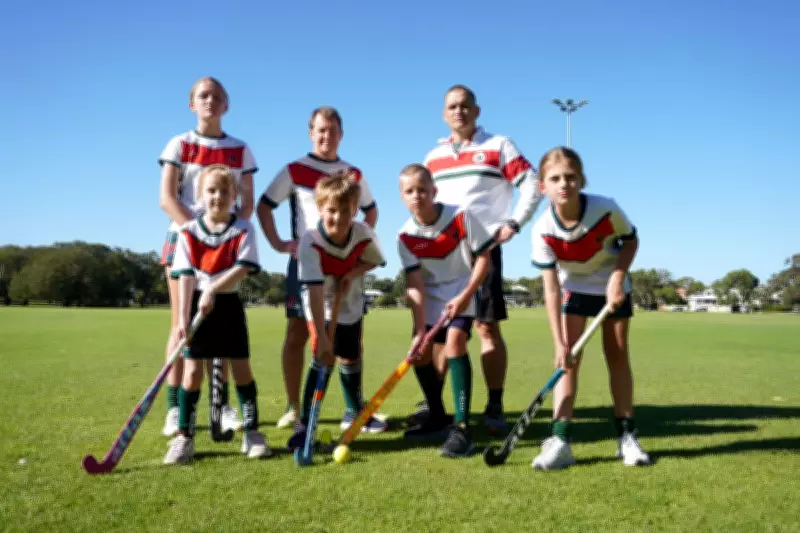
The YMCC Hockey Club, established in 1994 and boasting approximately 900 members, represents one of the town's largest sporting organizations. The club runs teams ranging from preschool participants through Premier 1 grades, masters players, and those with special needs. According to club member Matt Evans, the organization is in desperate need of a synthetic turf facility to meet current player demands.
"Hockey has become a game that's played on turf. About seventy percent of our games are now played on artificial surfaces," Evans explained. "Currently, we share limited turf facilities with other clubs, which doesn't provide sufficient training time for our youth players."
The club has already invested approximately $10,000 in developing a business case for a new turf facility over recent years, hoping to secure in-principle council support. This preparatory work would typically involve detailed feasibility studies, fundraising discussions, and grant applications—a process Evans estimates normally takes twelve to eighteen months.
With the council's decision to proceed with the LAMP, the hockey club's proposal now faces potential delays of up to two additional years. Evans warns that such extended pauses could ultimately push back facility improvements by as much as five years, driving up construction costs and causing further player attrition.
"This impacts junior development programs, women's participation pathways, and the long-term strength of our club," Evans stated. "Many players are already leaving for other clubs that offer proper facilities."
Floorball Community Seeks Permanent Home
The Western Suburbs' growing floorball community faces similar challenges following the closure of the Revolution Sports centre in Shenton Park last year. Sporting clubs that previously utilized this facility have been forced to move between different school locations while searching for a more permanent home. This includes both the senior Floorball Raptors Club and the junior Floorball Revolution program.
Club secretary and experienced town planner Bruce Young has been assisting the organization in finding a new home base. A promising opportunity emerged to sub-lease the Cambridge Bowling Club and transform underutilized bowling greens into a dedicated floorball field.
After submitting the sub-lease proposal to the town council last year, the council requested CEO Lisa Clack to help negotiate the arrangement. However, progress has been slow, and with the LAMP now imposing a pause on such approvals, the timeline for resolution remains uncertain.
"While we're supportive of the LAMP project, we're disappointed it seems to be putting a significant hold on what could have been a great interim solution," Young commented. "The club simply wants a place to call home. Without a permanent base, we face potential limitations on growth and development."

Young emphasized that floorball represents one of Australia's fastest-growing sports, and extended delays could significantly impact both the sport's development and the utilization of available community spaces.
Council Perspective and Funding Considerations
Cambridge Mayor Gary Mack defended the LAMP initiative, stating that the plan is not about rejecting club proposals but rather ensuring sustainable, long-term benefits for the community.
"As elected members, we are responsible for ensuring these assets provide long-lasting and sustainable benefits to our community," Mack explained. "Core to this is sensible, evidence-based future planning for our community needs—both current and future."
The council has recently finalized its tender for an independent consultant to lead the LAMP project and has scheduled a community engagement period from mid-2026 to early-2027. Although council support for developing such a plan dates back to 2021, progress was finally triggered by a one-off financial windfall from the sale of former Catalina Regional Council land in Perth's northern suburbs and Ocean Village carparks in City Beach.
This local planning initiative coincides with a State Government decision announced late last year to withhold future funding rounds of its Community Sporting and Recreation Facilities Fund and Club Night Lights program while these initiatives undergo review. These programs typically operate on a shared funding model, with one-third contributions from the state, local government, and participating clubs respectively.
Mayor Mack suggested that the tandem reviews would ultimately benefit clubs by providing clearer guidance for future funding applications when state programs reopen.
"By participating in the LAMP, clubs will have a clearer picture about future community needs for their club and the available facilities and spaces to support them," Mack said. "This should result in evidence-based proposals that are aligned with the town's priorities."
Calls for Interim Solutions
Despite the council's rationale, affected clubs are advocating for reasonable interim pathways that would allow well-developed proposals to continue preparatory work alongside the broader LAMP process.
"For projects like ours that are pretty well advanced in terms of the planning we've completed, we don't see why that work couldn't continue in tandem with the LAMP," Evans proposed. "A reasonable interim pathway would help prevent unnecessary delays for clubs that have already invested significant time and resources in their proposals."
As the Town of Cambridge moves forward with its fifty-year leisure planning framework, local sporting organizations remain caught between immediate needs and long-term planning objectives, facing uncertain timelines for facility improvements that could shape their futures for years to come.