Charlie Albone: Why Autumn is the Most Generous Season in the Garden
There is a distinct moment each year when you step outside and sense the change. The light has subtly shifted, the intense heat has softened, mornings feel gentler, and the garden seems to exhale with relief. Welcome to autumn, a season that, if summer is about endurance, is truly about opportunity.
For gardening enthusiasts, autumn stands as the most generous season in the garden. The soil retains warmth from months of sun, allowing roots to establish quickly, while the cooler air reduces stress on plants. This creates an ideal window to reset, replant, and quietly set the stage for the coming months.
Refreshing the Vegetable Patch
The first task is to take an honest walk through your vegetable patch. Identify plants that have finished their cycle, such as tomatoes that have slowed, zucchini with tired vines, or cucumbers that have given their all. It is time to clear them out.
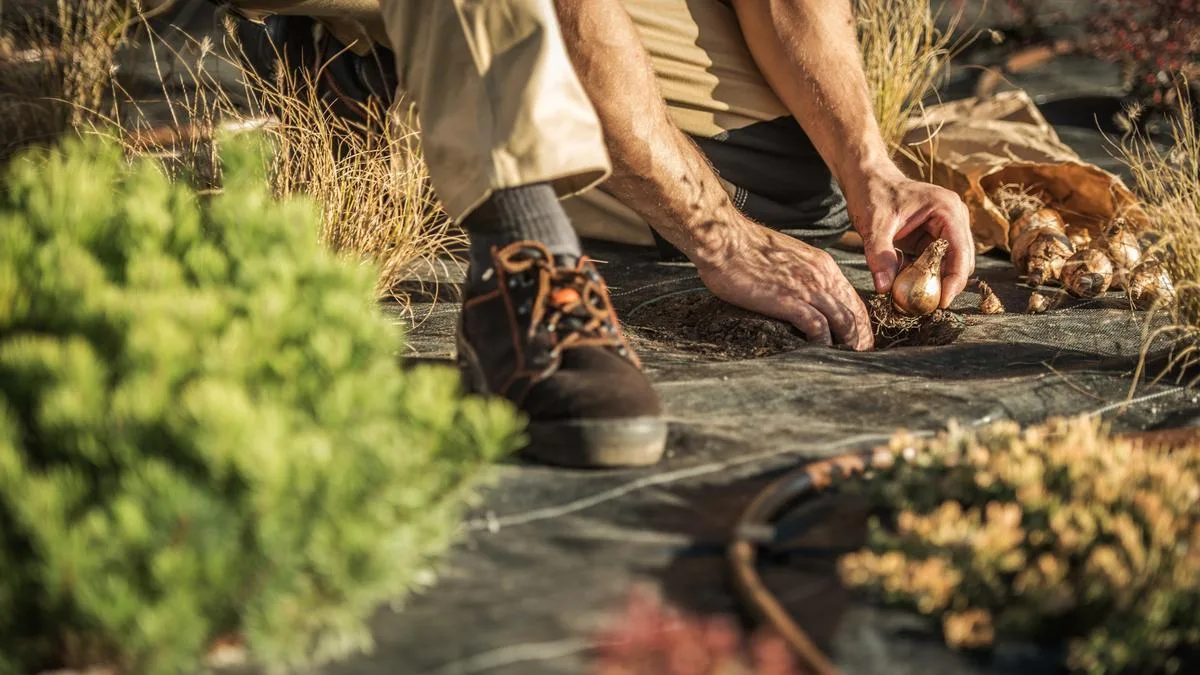
Pull up spent crops and add them to the compost, unless they are diseased. Then, refresh your beds by forking through some compost and adding aged manure. Allow the soil to breathe for a week or two before replanting. This small pause can make a significant difference in soil health.
However, not everything needs removal. If summer crops are still producing, let them continue. Around these slower performers, you can tuck in quick-growing fillers like loose-leaf lettuce, which germinates rapidly in autumn soil and can be harvested leaf by leaf. Rocket, baby spinach, and radish also fit neatly into small gaps, providing fresh harvests without requiring a whole new bed.
Planning for Winter Crops
Autumn is also the prime time to start thinking long-term with winter crops, especially slow growers. Brassicas, including broccoli, cauliflower, cabbage, kale, and Brussels sprouts, form the backbone of the cool-season vegetable garden.
These plants require patience, making now the perfect moment to begin. Sow seeds in trays or directly into prepared beds, but do so in succession. Stagger your sowing every two to three weeks rather than planting all at once. This approach prevents a glut of harvests, such as six heads of broccoli all at once in mid-winter, and ensures a steady supply for your kitchen.
While sowing brassicas, consider broad beans and peas as well. They thrive in cooling soil and will establish strong root systems through autumn before flourishing. Enrich the soil beforehand, as brassicas are particularly hungry plants, and protect young seedlings from caterpillars with netting if necessary.
Planting Natives for Winter Interest
Beyond the vegetable patch, autumn is an excellent time for planting natives, especially if you desire winter flowers to support birdlife. In regions like Perth, gardens can feel flat in winter without proper planning.
Grevilleas are highly recommended, with Grevillea Pink Midget being a compact, hardy option that flowers prolifically through cooler months, attracting honeyeaters. Another beautiful local performer is Adenanthos sericeus, or the woolly bush, whose silvery foliage catches the low winter light and provides nectar for small birds.
For bold winter colour, consider Anigozanthos Bush Pearl or newer kangaroo paw hybrids bred for improved disease resistance. Planting now allows these natives months to settle before their main display, as roots grow while tops rest, making them more resilient to summer heat and dry conditions.
Caring for Your Lawn
Do not overlook the lawn after the stress of summer. Raise your mower height slightly as growth slows and give the lawn a good rake to remove built-up thatch and debris.
Early autumn is ideal for fertilising with a balanced lawn fertiliser that includes slow-release nitrogen and a touch of iron. This encourages steady growth and helps repair thin or worn patches from summer activity. Water it in well, and you will see the lawn respond as temperatures moderate.
If you have been considering topdressing or minor repairs, now is the time. The soil is warm enough for recovery but not so hot that new growth struggles.
Q&A: Identifying a Medicinal Plant
Question: We are always keen to grow herbal plants with medicinal benefits in our backyard. Fifteen years ago, my 94-year-old friend gave me a small plant he said would help those with prostate problems. Just wash, boil with white barley, add rock sugar if required, and drink. I haven’t tried it. Could you help identify this plant? The flower-stems look like joysticks filled with seeds. – Sam Tan, Canning Vale
Answer: That appears to be a broadleaf plantain, often mistaken for a common garden weed. It has been used medicinally for hundreds of years due to its high content of Vitamin C, A, K, calcium, and iron. While it has mild anti-inflammatory properties, its specific benefits for prostate issues are not confirmed. Always ensure accurate identification and consult a health professional before ingestion.