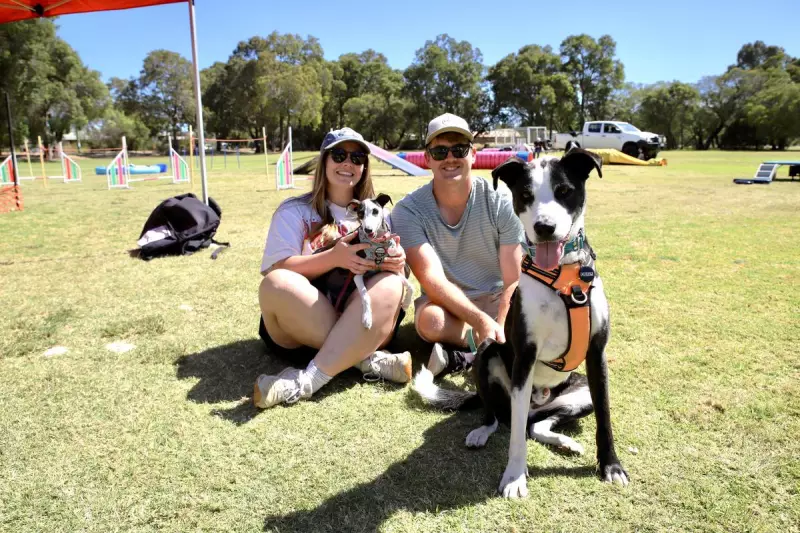
Australia is confronting its most severe downturn in pet adoptions ever recorded, placing rescue organisations under impossible strain and resulting in the forced euthanasia of thousands of healthy animals.
Unprecedented Decline in Adoption Rates
New data reveals a stark and sustained collapse in the number of people choosing to adopt a pet. Last month, the national adoption rate plummeted to just 60 per cent, marking the lowest monthly figure on record. This represents a dramatic fall from adoption rates of approximately 90 per cent back in 2017.
The concerning figures come from Pet Rescue, the country's largest pet adoption platform. Chief executive Patima Tantiprasut described the data as "astonishing," noting the contradiction in a nation known for loving its pets. "We are a nation that loves and cares for our pets, but it seems people aren’t interested in adopting anymore," she said.

Currently, there are 7315 pets listed on the Pet Rescue platform, with an average of 200 new profiles added every single day, far outpacing the number of successful adoptions.
Shelters at Breaking Point with Tragic Consequences
The adoption slowdown has pushed volunteer-run rescue shelters far beyond their capacity. With no space left, centres are being forced to turn animals away, a decision with fatal outcomes.
This bottleneck in the rescue system directly leads to the euthanasia of an estimated 44,000 dogs and 50,000 cats across Australia each year simply because there is nowhere for them to go. "We are hitting a critical point," warned Ms Tantiprasut. "The rescue community was already struggling; now they’re completely overrun and turning animals away knowing they’ll be killed."
The emotional toll on volunteers is immense, with many suffering from severe compassion fatigue. The psychological impact of knowing loving pets will be killed is leading to widespread burnout among dedicated teams.
A Vicious Cycle of Overpopulation
The crisis is creating a vicious cycle that worsens the problem. Sue Hedley, founder of SAFE (Save Animals From Euthanasia), explains that when shelters are full and turn animals away, those animals miss out on essential services.
"They’re often breeding in these council kennels, and then there are even more animals entering systems that are already struggling to provide care and support," Ms Hedley said. Without access to vital desexing and veterinary care, unchecked breeding fuels further overpopulation, intensifying the pressure on the system.
Calls for Urgent Government and Community Action
Animal welfare advocates are issuing a desperate plea for intervention to prevent further escalation. They are calling on State and local governments to implement stronger, funded desexing programs and provide greater financial support to rescue organisations.
Increased public awareness about adoption and greater community support for shelters are also seen as critical. For those on the front lines, the crisis has moved beyond statistics to the heart-wrenching reality of deciding which animals can be saved.
"These are not unwanted pets," emphasised Sue Hedley. "They are victims of a system that is failing them." The need for a coordinated national response to this animal welfare emergency has never been more urgent.