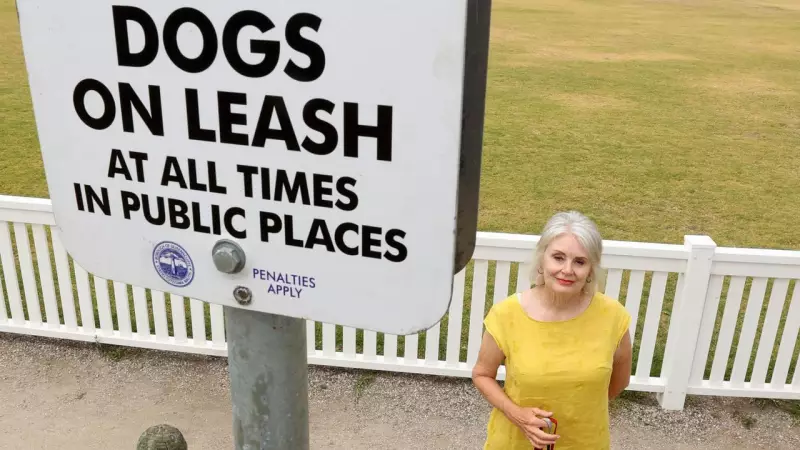
Dog owners across the City of Greater Geelong have unleashed a wave of criticism aimed at the local council's newly proposed off-leash trial locations, branding them as unsafe and poorly planned.
Council's Trial Plan Sparks Immediate Backlash
The City of Greater Geelong council recently announced a trial for new designated off-leash areas, a move intended to provide more spaces for pets to exercise freely. However, the specific locations chosen have ignited significant controversy among the local canine community.
The trial, which is set to commence on Monday, May 13, will introduce off-leash permissions at several sites. These include parts of Rippleside Park in North Geelong, the Bellarine Peninsula Rail Trail between Leopold and Moolap, and an area near the Bayside Christian College oval in Langwarrin. Additionally, a section of the Barwon River parklands between the Princes Highway and Shannon Avenue bridges will be part of the trial.

Despite the council's intentions, residents and dog advocacy groups have been quick to voice their concerns, arguing that the selected spots are fundamentally unsuitable for the purpose.
Safety and Suitability Concerns Raised by Residents
A primary point of contention is the perceived danger of the proposed Rippleside Park location. Locals argue that the area is too close to a busy children's playground and a popular skate park, creating a high risk for conflicts and accidents. The mix of off-leash dogs, young children, and skateboarders is seen as a recipe for trouble.
Similarly, the Barwon River parklands site has drawn fire. Critics point out that the narrow strip of land between the river and the road offers little safe space for dogs to run without the risk of darting into traffic or the water. The existing, well-used on-leash paths in this area mean that leashed and unleashed dogs would be forced into close proximity, potentially causing stress and altercations.
Janine Duffy, a representative from the Geelong Dog Lovers Facebook group, encapsulated the community's frustration. She stated that the council's choices showed a clear lack of understanding about what makes a functional and safe off-leash zone. "They've picked the worst possible spots," Duffy remarked, emphasising that the areas are either too small, too close to hazards, or already heavily used for other recreational activities.
The Council's Defence and Community Calls for Consultation
In response to the growing discontent, a City of Greater Geelong spokesperson defended the trial. They explained that the locations were selected based on technical assessments and a desire to offer new options in different suburbs. The spokesperson stressed that the 12-month trial period is precisely for gathering community feedback and data on usage, implying that changes could be made based on the results.
However, this explanation has done little to placate angry dog owners. Many feel the council is putting the cart before the horse, implementing a trial in problematic areas rather than first consulting with the people who will use the spaces daily. The community's core demand is for genuine collaboration to identify larger, safer, and more appropriate open spaces that can truly serve as community dog parks.
The debate highlights a broader tension in urban planning between allocating shared public space and meeting the specific needs of growing pet-owner populations. As the trial start date approaches, the council faces mounting pressure to reconsider its approach and engage more meaningfully with Geelong's devoted dog owners to find a solution that works for everyone, both two-legged and four-legged.