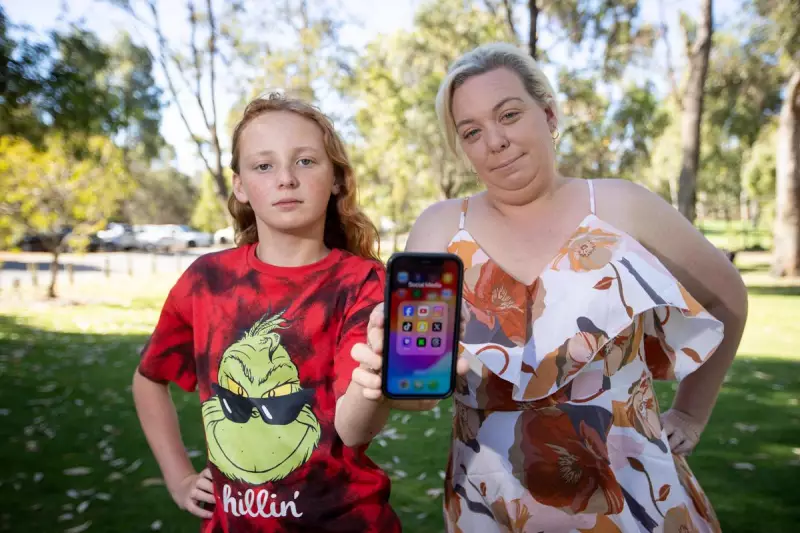
Australian parents are being urged to brace for a wave of challenging behaviour from their children, as experts warn that proposed social media bans could trigger intense 'dopamine withdrawal' tantrums. The caution comes amidst growing political momentum to restrict young people's access to platforms like TikTok, Instagram, and Snapchat.
The Science Behind the Screen Struggle
Leading clinical psychologist and parenting expert, Dr Michael Carr-Gregg, has issued a stark alert to families. He explains that social media platforms are meticulously engineered to be highly stimulating, triggering the release of dopamine—a neurotransmitter associated with pleasure and reward—in the developing brains of young users. When this constant stream of digital validation is abruptly removed, children and teenagers can experience a neurochemical crash, manifesting as irritability, anxiety, and outbursts.
Dr Carr-Gregg compares the potential reaction to the distress seen when a child's beloved comfort object is taken away, but amplified on a neurological level. "It's not just about missing out on gossip," he states. "It's about their brains literally adjusting to a sudden lack of a stimulus they've become dependent on for dopamine hits."

Political Push and Parental Preparation
The warning is particularly timely, as both federal and state governments in Australia actively debate and propose stricter age limits for social media. The federal opposition has pledged to implement a ban for children under 16 if elected, while the current government is trialling an age verification pilot program. Several states, including New South Wales and South Australia, are also pursuing their own legislative pathways.
Experts stress that parents must not be caught off guard. The key to navigating this transition is preparation and proactive communication, not sudden enforcement. Dr Carr-Gregg advises parents to start conversations with their children now, explaining the reasons behind potential bans and collaboratively establishing new routines for leisure and connection.
Strategies for Managing the Digital Detox
To mitigate the fallout, psychologists recommend a series of practical steps for households:
- Open Dialogue: Discuss the changes openly with children, focusing on health and wellbeing rather than punishment.
- Alternative Activities: Proactively plan and schedule engaging offline activities—sports, family games, outdoor adventures—to fill the void left by screens.
- Gradual Reduction: Where possible, gradually reduce social media use rather than implementing an abrupt, cold-turkey stop.
- Expect and Validate Reactions: Acknowledge that frustration and anger are likely initial responses. Validate these feelings while holding firm on the new boundaries.
- Model Behaviour: Parents should critically examine and potentially limit their own social media use to set a consistent example.
While the long-term benefits of reduced social media exposure—such as improved sleep, decreased anxiety, and better focus—are widely supported by evidence, the short-term path to achieving them may be rocky. The consensus among experts is clear: a social media ban, while potentially beneficial, is not a simple fix. It requires careful management and parental support to help young minds recalibrate their sources of pleasure and social interaction away from the digital dopamine loop.
The coming months may test Australian families as the political landscape shifts towards greater online restrictions. Being prepared for the behavioural side effects, experts conclude, will be half the battle in ensuring a successful and healthier digital diet for the nation's youth.