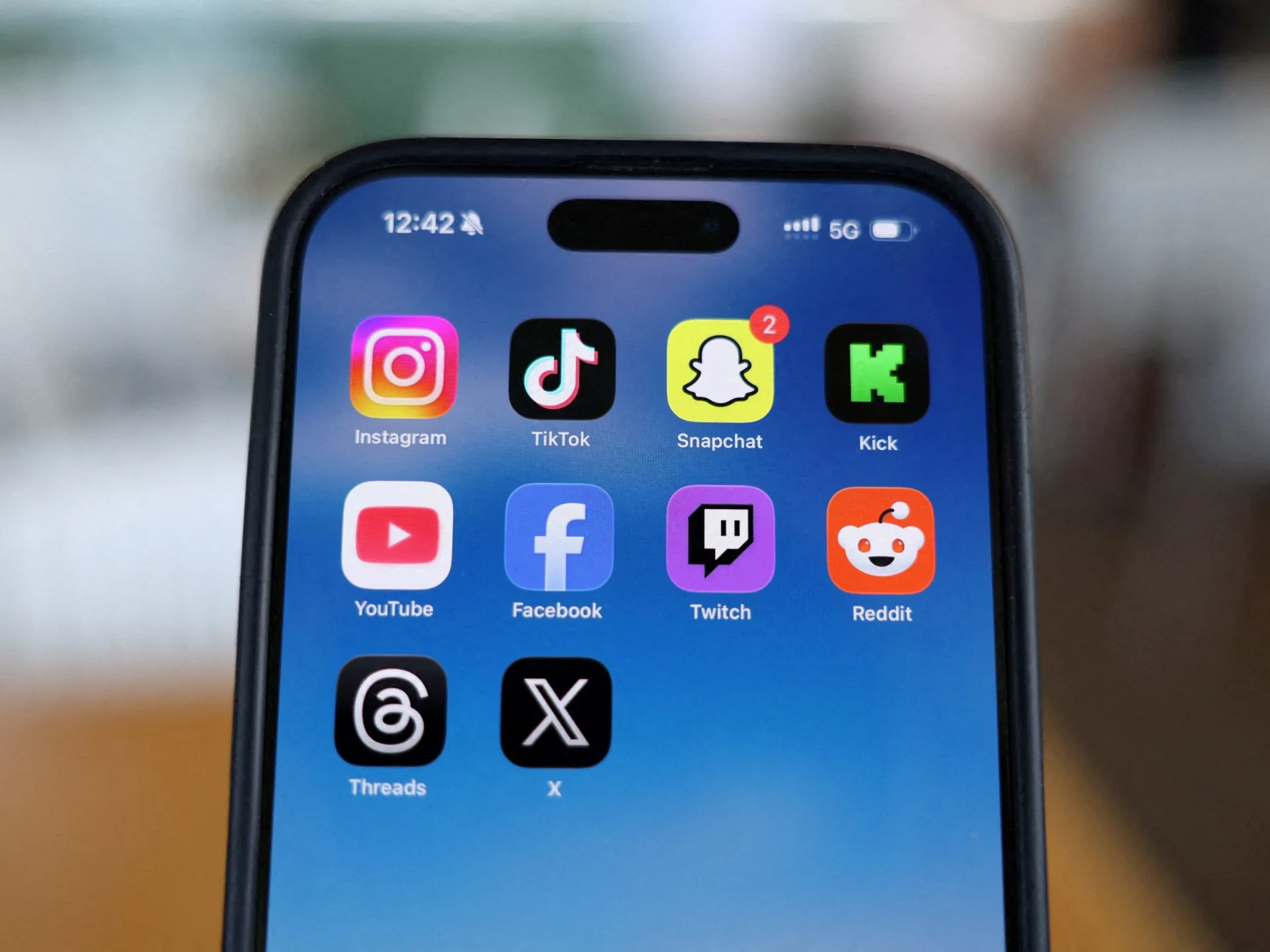
Australia is poised to enact what a top expert has labelled the single most significant child protection measure in the nation's history. The federal government's proposed ban on social media access for children under the age of 16 has ignited a national conversation about online safety, parental responsibility, and digital rights.
A Watershed Moment for Child Safety
Dr. Michael Carr-Gregg, a renowned adolescent psychologist and prominent child safety advocate, has thrown his full support behind the bold policy. He declared the proposed social media prohibition for young teenagers to be a monumental step forward. "This is the most significant child protection measure any Australian government has ever taken," Dr. Carr-Gregg stated emphatically. He argues that the overwhelming evidence of harm caused by social media platforms to developing minds necessitates such decisive action.
The push for the ban is being spearheaded by a coalition of political figures, including Independent Senator David Pocock and Opposition Leader Peter Dutton. Their campaign, aptly named 'Let Them Be Kids,' is applying intense pressure on the Albanese government to implement the age restriction without delay. The core of their argument is that social media companies have consistently failed to adequately protect young users from a host of documented risks.
The Evidence and the Urgent Call for Action
Proponents of the ban point to a growing body of scientific research linking social media use among children and teens to serious mental health issues. These include increased rates of anxiety, depression, body image disorders, and cyberbullying. Dr. Carr-Gregg highlights the addictive design of these platforms, which can disrupt sleep, reduce physical activity, and impair real-world social development.
The political momentum is building rapidly. Senator David Pocock has called for the ban to be in place before the end of the current school year, underscoring the urgency felt by many advocates. This timeline signals a desire for immediate, tangible action rather than prolonged consultations or voluntary industry codes, which have been criticised as ineffective in the past.
The proposal has also gained traction within the government's own ranks. Prime Minister Anthony Albanese has publicly expressed his personal support for raising the social media age limit, acknowledging the profound concerns of parents across the country. This alignment between crossbench, opposition, and elements of the government creates a powerful political force behind the proposed legislation.
Implementation Challenges and the Path Forward
While the goal is clear, the practicalities of enforcing a social media ban present significant challenges. Key questions remain about the verification mechanisms that would be used to determine a user's age and who would bear the responsibility for enforcement – the government, the platforms, or internet service providers. Any effective system would need to be robust against circumvention while also balancing privacy concerns.
Despite these hurdles, the expert and political consensus is shifting towards viewing stringent age limits as a necessary form of digital harm prevention, similar to age restrictions on other products like alcohol or gambling. The 'Let Them Be Kids' campaign frames the issue not as a limitation on freedom, but as a critical safeguard for an entire generation's wellbeing.
The coming months will be crucial as the government works to finalise the policy details. If enacted, Australia would join a small group of nations taking a hard-line legislative approach to protecting children in the digital sphere, setting a potential precedent for other countries grappling with the same complex issue. For countless Australian families, the move promises a chance to reclaim childhood from the relentless pressures of the online world.