For mums and dads across Australia, tracking a child's growth brings immense joy but also its share of worries. While first steps and words are celebrated, a child's vision health can slip under the radar until a clear issue, like squinting or struggling to see the board, appears. Experts stress that early detection is paramount, with Canberra optometrists advocating for annual eye checks throughout the school years to safeguard a child's sight and learning potential.
The Critical Window for Children's Vision Development
A child's visual system isn't fully formed at birth. In the crucial early years, the brain is actively building neural connections with the eyes. If a problem like a significant prescription difference or a misalignment exists, the brain may start to ignore signals from the weaker eye. This can lead to permanent vision loss, known as amblyopia or 'lazy eye', if not caught and treated early. Common issues include strabismus (a turned eye), myopia (short-sightedness), and hyperopia (long-sightedness).
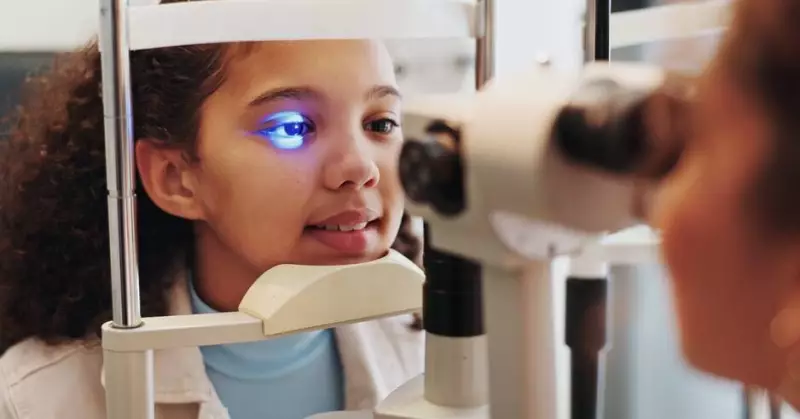
A comprehensive eye exam goes far beyond checking if glasses are needed. It's a vital health check that can uncover developmental issues affecting coordination, learning, and long-term sight. Leading optometrists in Canberra use advanced technology like Optical Coherence Tomography (OCT) and digital retinal photography to assess overall eye health, ensuring a thorough evaluation.

The Essential Paediatric Eye Exam Timeline
Professionals advise that a child's vision should be formally assessed at least three key times before they begin school.
The Initial Screening: Birth to Six Months
This first check is typically done by a paediatrician, GP, or maternal health nurse during routine visits. It focuses on basic eye health, looking for a healthy red reflex, checking for congenital cataracts, and spotting any obvious eye movement disorders.
The First Comprehensive Exam: Age Three
This is the ideal time for a full examination with a qualified optometrist. By age three, most children can cooperate for more detailed tests. This exam is critical for detecting subtle problems like high levels of farsightedness that can strain the visual system, and most importantly, for identifying early signs of amblyopia risk. Early intervention at this stage, with patching or glasses, offers the best chance of full correction.
The School Readiness Check: Age Five to Six
A final comprehensive test just before starting school is non-negotiable. Given that 80% of learning is visual, this exam ensures a child's eyes are ready for the demands of reading, writing, and focusing in the classroom. It checks for issues like convergence insufficiency that can cause visual stress and confirms depth perception is fully developed.
Warning Signs Parents Must Not Ignore
While sticking to the professional schedule is key, parents should be alert to signs that warrant an immediate optometrist visit. These include:
- Habitual head tilting or turning
- Frequent squinting, eye rubbing, or blinking
- Noticeable clumsiness or poor hand-eye coordination
- Difficulty with close-up tasks, avoiding reading, or holding books very close
- Complaints of light sensitivity or headaches
Many parents hesitate, thinking their child needs to read letters. This is a myth. Optometrists use engaging, objective methods like picture charts, retinoscopy (using lights and lenses), and stereopsis tests with 3D glasses that don't require any reading ability.
Accessing Care in Canberra
The good news for Australian families is that comprehensive eye exams for children are often bulk-billed under Medicare, making proactive care accessible. Canberra practices like Arcidiacono Optometrist, Junic Eyecare, Capital Eye, and Simpson Optometry are recognised for their expertise in paediatric eye care, offering personalised service and a wide selection of children's frames.

In summary, a child's vision is developing rapidly, and the window for correcting serious conditions is narrow. For Canberra parents, the message is clear: be proactive. Prioritise that first comprehensive check around age three and ensure a thorough exam before school starts. This simple step protects your child's learning capacity, confidence, and their sight for life.