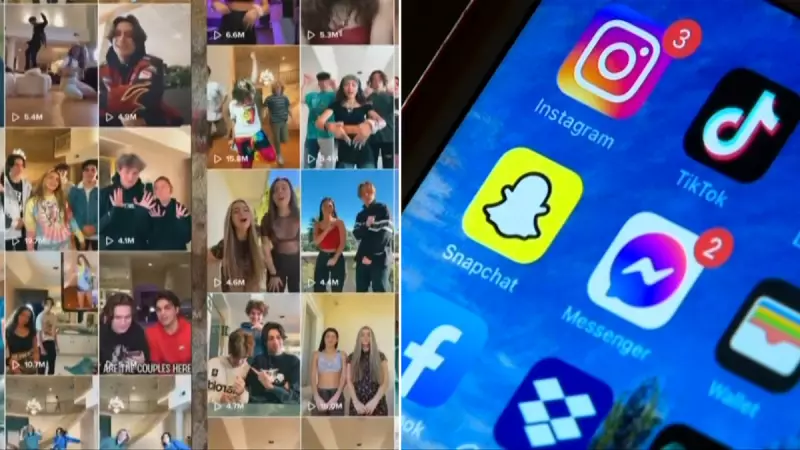
A significant shift in childhood career aspirations is sweeping Australia, with new data revealing that becoming a social media influencer is now the top dream job for the nation's youth. This trend emerges just as the country prepares to implement strict new age restrictions on social media platforms, creating a complex landscape for parents and young aspiring creators alike.
The Rise of the Content Creator Generation
According to Sharyn Smith, founder of the influencer marketing agency Social Soup, one in three Australian children aged between 8 and 12 now say they want to be content creators when they grow up. This figure climbs even higher among older Gen Z demographics. Smith notes this marks a fundamental change, with content creation officially becoming the number one career aspiration for kids across the country.
"We're all supportive of creativity and it is a viable career choice now for children," Smith stated. "I think it's about how we build creative pathways for children." This seismic shift in ambition reflects the pervasive influence of digital platforms in shaping young minds and their visions for the future.

Imminent Ban Presents Practical and Financial Challenges
The upcoming social media age ban, set to take effect next Wednesday, introduces immediate practical consequences. Children under the age of 16 who are already monetising their social media content face losing those income streams, as brands are expected to cease partnerships with underage creators to comply with the new regulations.
Smith suggests this period of restriction could be used productively. Young people can focus on honing their skills in safer, more controlled environments. "They can be doing that within safe circles, within closed networks and smaller groups," she advised. "So when they're ready to hit the big platforms, they're ready to do that."
Global Context and Local Support for Regulation
This Australian discussion coincides with moves in other nations, such as China, which has introduced laws requiring certain influencers to hold relevant university degrees. Smith pointed out that Australia already enforces some of the world's strongest regulations for content creators in sensitive sectors like finance, health products, and therapeutic goods.
Despite her professional involvement in the social media industry, Smith supports the new age restrictions from dual perspectives as both a business owner and a parent of teenagers. Her agency already refuses to work with content creators under the age of 18, meaning the new laws will not disrupt her business operations.
"It gives parents options to have those conversations," Smith explained regarding the ban's benefits. "From a content consumption point of view, it reduces the opportunities for them to be exposed to harmful content at an early age."
Navigating the New Digital Landscape as a Family
As the ban becomes reality, Smith encourages parents to engage proactively with their children. She recommends leaning in and listening to "really understand how their children are feeling and where they're coming from." For maintaining social connections, she noted that alternative messaging apps exist which children can use to stay in touch with friends outside of the major, now-restricted platforms.
The convergence of soaring career ambitions in digital content creation and tighter regulatory controls creates a pivotal moment for Australian families. It challenges parents to guide their children's creative passions while navigating new digital boundaries designed for their protection.