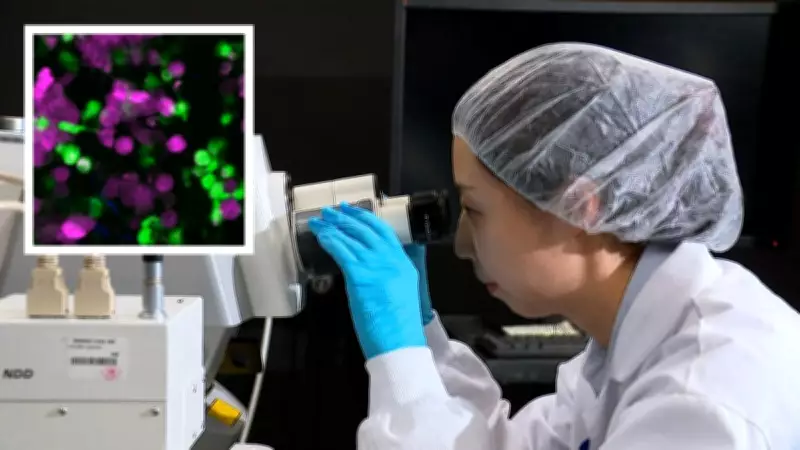
Scientists in Sydney have achieved a major breakthrough in cancer research, capturing real-time footage of the body's immune cells attacking and consuming melanoma tumour cells. The development could pave the way for improved treatments for one of Australia's most deadly cancers.
Remarkable footage shows immune cells in action
The extraordinary video shows immune cells known as macrophages, highlighted in green, actively pursuing and engulfing live melanoma cancer cells shown in pink. The discovery has surprised researchers and changed their understanding of the immune response.
Senior author Tri Yang Phan said: "The cells were actually able to ingest, to eat live tumour cells, which is not something that we had expected. This, I think, has really changed the way how we've thought about the immune response."

Potential to improve immunotherapy
Doctors believe this breakthrough could help researchers better understand how the body naturally fights cancer. By observing the process in real time, scientists may find ways to boost these immune cells, making immunotherapy more effective for melanoma patients—especially those who do not respond to current treatments.
Personal story: Anne Gately's journey
For 60-year-old Anne Gately, a mother of two, the research is deeply personal. She had a melanoma removed from her back 16 years ago, but the cancer returned in 2018 and spread throughout her body.
"My body was literally riddled with it. They told me that it was incurable, that I had maybe 12 to 24 months to live," she said.
However, just 97 days after starting a new immunotherapy drug—which helps the body's own cells fight cancer—she was in remission. "It's a miracle," she said.
Australia's melanoma crisis
Australia is known as the melanoma capital of the world, with nearly 20,000 people diagnosed each year and approximately 1,300 deaths annually. The new findings offer hope for more effective treatments.
Gately expressed her hope for the future: "I really hope that they find a way to be able to apply immunotherapy to other cancers."
Researchers are now focused on harnessing the power of macrophages to enhance immunotherapy outcomes, potentially saving thousands of lives.