A search operation will resume on Sunday morning off the coast of Western Australia after a spearfisher was killed in a horrific great white shark attack near Rottnest Island. The 38-year-old man, believed to be a father, was attacked while spearfishing at Horseshoe Reef on Saturday morning. Police revealed that his friends witnessed the devastating incident unfold just metres from their boat.
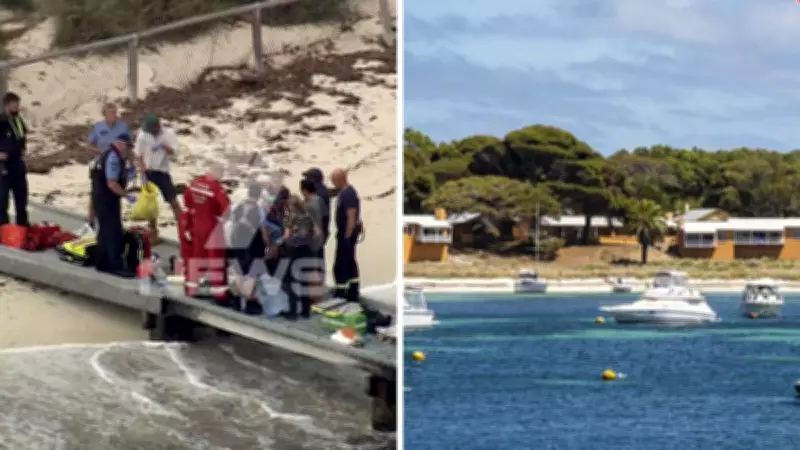
His mates pulled him from the water after he was bitten on both lower legs and rushed him back to shore, where paramedics worked for about 30 minutes on the jetty in an attempt to save his life. Despite their efforts, the man could not be revived.
Police describe horrific scenes
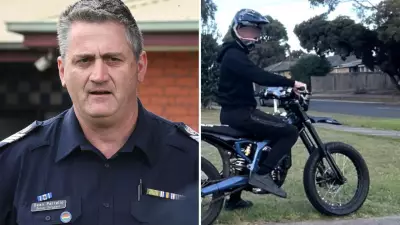
WA Police Sergeant Michael Wear described the incident as “quite horrific scenes for all involved.” “His friends have actually witnessed the horrific event,” Wear said. “The victim was on the surface at the time, about 20 metres away from the vessel.”

Authorities believe the attack involved a four-metre great white shark, while Surf Life Saving WA reported a five-metre white shark had been spotted about 80 metres offshore on Sunday morning. Emergency services, including rescue helicopters, paramedics, and police, responded after the alarm was raised about 9.55am AWST on Saturday.
Beaches remain open despite renewed sighting
Despite the renewed shark sighting and ongoing search activity, beaches on Rottnest Island have remained open. Authorities urge beachgoers and boaters to exercise caution and monitor shark warnings. The death adds to a string of shark attacks reported around Australia this year.
In January, 12-year-old junior lifesaver Nico Antic died after a suspected bull shark attack at Shark Beach in Sydney’s east, while 27-year-old Andre de Ruyter lost a leg in an attack on Sydney’s Northern Beaches just days later.
Renewed calls for AI shark detection technology
The tragedy has renewed calls for advanced shark detection technology. Marine life ranger David “Sharky” Baxter told Sunrise on Sunday that the Rottnest attack was a “textbook perfect attack” by a large predator. “He was spearfishing. That attracts predators around there, wrong place at the wrong time,” Baxter said.
Baxter, who was among the first responders to the fatal shark attack at Manly earlier this year, said autonomous AI-powered drones could help prevent future attacks at high-risk beaches. “The system is fully AI-oriented,” he explained. “If it spots something in the water that it’s been trained to identify as a potential target, it hovers above that target, activates its onboard alarm, and will stay above that, tracking that shape in the water.”
He said the technology could be deployed at popular beaches during peak periods, with each base unit estimated to cost between $20,000 and $25,000. Australia recorded the world’s highest number of fatal shark attacks last year, according to the International Shark Attack File released in February.