NSW Health Rolls Out Personalised Vaccination Tool Amid Measles Surge
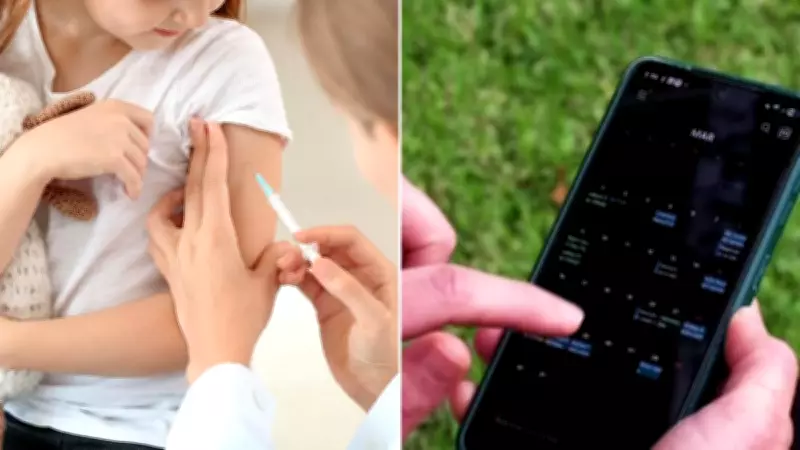
A significant increase in measles cases has prompted the launch of a new personalised vaccination schedule tool for parents in New South Wales, as health authorities issue warnings about rising infections and local transmission. The online tool, introduced by NSW Health, enables parents to input their child's date of birth to generate a customised immunisation schedule, complete with practical reminders and calendar alerts.
Rising Measles Cases and Community Concerns
This initiative comes in response to increasing cases of measles circulating in the community, with families urged to ensure children receive their vaccinations on time. In NSW, vaccines are provided free for a range of serious and highly contagious diseases, including whooping cough, polio, measles, mumps, rubella, and chicken pox. While more than 90 percent of children are fully immunised, health authorities emphasise that this rate must climb further to strengthen community protection.
Measles is a highly contagious disease that spreads through the air when an infected person coughs or sneezes, putting unvaccinated individuals at increased risk. NSW Health has confirmed 17 measles cases in NSW so far in 2026, including newly notified infections that have led to updated public warnings and exposure alerts around Sydney, covering locations such as the airport and other public areas.

Government and Health Officials Respond
Health Minister Ryan Park highlighted that the recent spike in cases has reinforced the need for vigilance. "We know that vaccination is the best thing we can do to protect our children from serious diseases like measles," he stated. "With a recent spike in the community, it is important parents are aware and pro-active with vaccination. Vaccination means kids are less likely to become seriously unwell and less likely to need to visit our hospitals. This personalised schedule is a great new tool to support parents, helping simplify the process and ensure every child is given their vaccinations on time."
The customised schedule was developed based on research commissioned by NSW Health, which found that many parents and carers felt uncertain, overwhelmed, or unsure where to start when it came to vaccinating their child. NSW Health acting director of health protection Vicky Sheppeard stressed that timing is critical. "Delaying vaccines can leave children unprotected during important stages of development so we are strongly encouraging parents to book their children in at the recommended ages. This is when the vaccination works best," she explained. "Even if your child has a runny nose or a mild cold, don't delay vaccination. Talk to your doctor or nurse to make sure your child is protected as early as possible."
Features of the New Vaccination Tool
The new tool includes several features designed to assist parents:
- Phone notifications to support parents in managing their child's vaccine schedule.
- An "add to calendar" function that sends a reminder one week before a vaccine is due and automatically places the appointment in a parent's phone calendar.
- A user-friendly interface that reflects individual needs, addressing confusion from overwhelming information.
Officials note that the schedule is a guide only, and families should consult with their GP, nurse, or Aboriginal Medical Service before vaccination.
Broader Health Context and Risks
Meanwhile, Victorian health authorities have intensified messaging due to an increased risk of measles, particularly across metropolitan Melbourne, where local transmission has been detected among people with no recent overseas travel or known public exposure. Measles cases in Victoria have also been linked to inbound international flights and airport settings, against a backdrop of high global activity and large outbreaks across parts of South East Asia.

Health officials warn that the highly infectious viral disease can lead to uncommon but serious complications, including pneumonia and brain inflammation (encephalitis). Vaccination coverage nationwide remains below the 95 percent target, with most recent Victorian cases occurring in people who have not received two doses of the measles-mumps-rubella vaccine. Authorities indicate that people born between 1966 and 1992 may be particularly vulnerable if they did not receive both doses, with young infants, pregnant women, and immunocompromised individuals at highest risk of severe complications.