Fit Mum's Cancer Nightmare: Breast Implant Leads to Rare Lymphoma Diagnosis
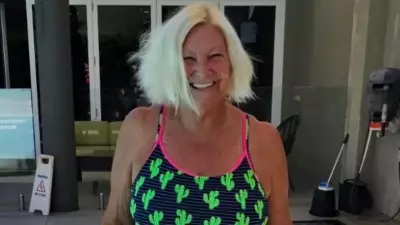
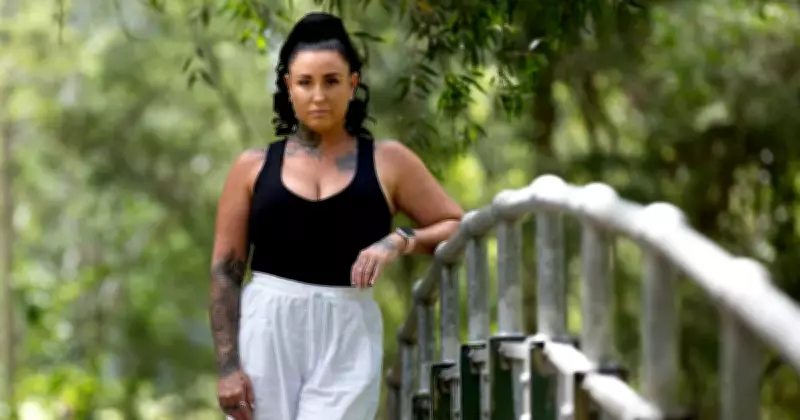
A 39-year-old mother from Cooranbong, Jessie Herbert, is confronting a harrowing health crisis after a breast implant caused a tumour in her breast, leading to a rare cancer diagnosis and impending major surgery.
Diagnosis and Surgical Plans
Ms Herbert, a former personal trainer, has been diagnosed with breast implant-associated anaplastic large cell lymphoma, a rare form of non-Hodgkin lymphoma that affects the immune system. She is scheduled for surgery in three weeks at Gosford Private Hospital, where surgeons will remove the implants from both breasts, along with surrounding tissue and the tumour, which has doubled in size from 3 to 6 centimetres over five months.
"It's been a bit of a whirlwind and surreal. I'm a bit disassociated from it all," Ms Herbert said, describing the emotional toll. "It's been a bit scary. I was referred to an oncologist."

Implant History and Health Impact
Ms Herbert had the breast implants done in Sydney in 2014, marking her third set. Her first set, implanted at age 21, was replaced after a recall over safety concerns. The current implants have led to constant pain, requiring daily use of Endone for relief, and have severely limited her ability to care for her four children, including three-year-old twins.
"I've been on Endone most days," she revealed, highlighting the physical suffering. Her partner, Kirtis MacDonald, noted, "She's an active person. She takes the kids on adventures all the time, but hasn't been able to do any of that for the last couple of months."
Financial and Emotional Strain
Without private health insurance, Ms Herbert faces a bill exceeding $20,000 for the surgery and reconstruction. A GoFundMe campaign, titled "Support Jessie's fight against her life-changing diagnosis," has been set up to help cover costs. She expressed concerns about body image, stating, "I'm a former personal trainer, so the last thing I'm willing to sacrifice is my body image. It's something that I pride myself on."
During surgery, her surgeon may even shave her rib cage, and fat will be liposucked from her stomach for breast reconstruction. "I don't want disfigurement," she added, underscoring the psychological impact.
Medical Context and Outlook
The disease is typically found in scar tissue and fluid near implants but can spread in some cases. While surgery is often successful, some patients require chemotherapy and radiation. Ms Herbert hopes surgery alone will suffice, aiming for significant improvement by her 40th birthday in October.
This case echoes broader concerns, as the Therapeutic Goods Administration cancelled several breast implant products in 2020 due to links to this cancer. Ms Herbert's initial symptoms included periodic burning sensations in her breast and upper arm, leading to an ambulance trip to Wyong Hospital last September after she felt faint.
Facing a 12-month wait in the public system, she secured a referral to a private specialist, with a biopsy conducted recently ahead of the March surgery. Her story serves as a stark reminder of the potential health risks associated with breast implants and the importance of ongoing medical vigilance.