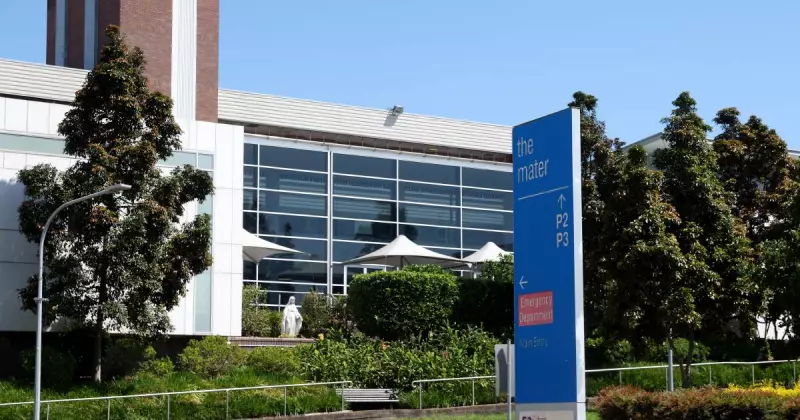
The closure of a critical haematology ward at Newcastle's Calvary Mater Hospital on Christmas Eve has been labelled a catastrophic failure of governance, bookending a year-long scandal where vulnerable cancer patients were exposed to potentially fatal mould.
A Year of Secrecy and Denial
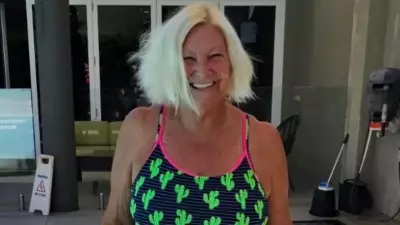
The decision, revealed in early January 2026, came after the ward had remained operational for more than a year despite repeated warnings from medical staff. In a damning assessment, former cancer patient Howard Dick of Toronto compared the situation to aviation, noting that aircraft are grounded for technical defects, yet a ward for low-immunity patients was kept open.
Mr Dick accused hospital administration and bureaucracy of secrecy, denial, and buck-passing, rather than taking responsibility for patient safety. He stated that practical measures to eliminate the mould were ignored in favour of temporary fixes like air filters. A proper cleaning of the ward and its air-conditioning system is only now scheduled for 2026.

"Without whistle-blowers and the Herald, the problem would have remained a dirty secret," Mr Dick wrote. He concluded that the system at Calvary Mater is "well and truly broken" and demanded an independent public inquiry to determine accountability and ensure medical staff get the support to put patients first.
Broader Implications for Hunter Health
The scandal raises serious questions about the hospital's public-private partnership model. Mr Dick warned that if the Calvary Mater cannot be made 'fit for purpose', the Hunter region may require an entirely new cancer hospital to serve its population.
The controversy at the Waratah hospital is not an isolated case of systemic failure, as highlighted by other letters to the editor. Brian Watson-Will of Corlette described the "absolute disgrace" of residents from 16 New Lambton properties being forcibly removed from homes destroyed by a landslip after the May 2025 storms.
He pointed to classic buck-passing between Newcastle City Council and the NSW state government, questioning whether proper geotechnical reports were ever submitted and approved during the subdivision's development. The removal of trees for bushfire asset protection zones may have also contributed to the instability, he suggested.
Community Voices on National and Local Issues
The hospital and landslip issues were among several concerns raised by Hunter residents. On foreign affairs, Graeme Tychsen of Toronto strongly defended Ukraine's sovereignty, arguing Ukrainians are "fighting for everyone" against a Russian invasion. He criticised any narrative that equates Ukraine's defensive stance with aggression.
On climate policy, Amy Hiller of Kew praised the Hunter's clean energy progress but criticised the Albanese government for approving five new coal and gas projects since the last election. She likened the contradictory approach to eating a salad followed by a Big Mac and Coke while trying to lose weight.
Local infrastructure also came under fire. Daryll Hadfield of Redhead expressed frustration after watching a Big Bash match in Coffs Harbour, questioning why the Newcastle and Lake Macquarie region, with over 600,000 people, lacks a similar boutique sporting venue and labelling local politicians a "waste of space."
Other letters touched on the US action in Venezuela, calls for a broad royal commission into all forms of racism, and political commentary following the Bondi tragedy, showcasing the wide range of issues engaging the Hunter community as 2026 begins.