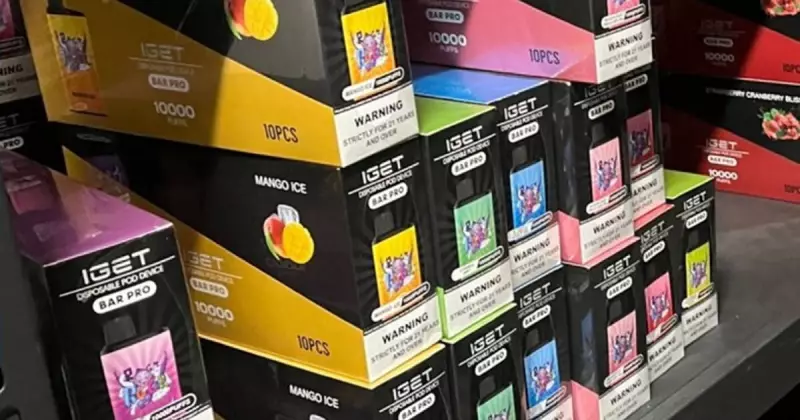
Health authorities in New South Wales have confiscated a massive haul of illegal vaping products, cigarettes, and tobacco in the Hunter and New England regions, with an estimated street value exceeding $2.8 million.
Major Six-Month Operation Nets Huge Haul
The significant seizure is the result of a targeted enforcement campaign conducted over six months. From July 1 to December 12 last year, NSW Health inspectors carried out more than 220 retail inspections across the Hunter New England district.
A spokesperson for the department confirmed the staggering scale of the confiscated goods. The operation led to the seizure of approximately 23,000 illegal vapes, liquid nicotine items, and related products. In addition, inspectors took possession of more than 2 million illicit cigarettes and 264 kilograms of other illegal tobacco.

New Powers Lead to Store Closures
The crackdown has been bolstered by new enforcement powers granted to the state government, which came into effect in early November. These laws allow for the temporary closure of businesses caught selling illicit tobacco and vaping products.
Under these strengthened regulations, NSW Health has already shut eight stores in the Hunter New England area for 90-day periods. As previously reported, this includes six outlets in Lake Macquarie and Port Stephens caught selling illegal tobacco, which are slated to reopen in February.
Subsequent enforcement has seen two stores in Taree and one in Forster also hit with 90-day closure orders. These businesses will be permitted to resume trading in March.
"The operation is part of ongoing efforts to disrupt the supply of illicit tobacco and vaping goods to protect public health," the NSW Health spokesperson stated, adding that investigations are continuing and further action is possible.
Experts Warn of Soaring Crime and Public Health Toll
Professor Billie Bonevski, an honorary professor with the University of Newcastle and now director of the Flinders Health and Medical Research Institute, highlighted the severe national implications of the illegal tobacco trade.
"Illegal tobacco sales have become a significant issue in Australia," Professor Bonevski said. She explained that this underground market is undermining public health initiatives designed to help people quit smoking.
The professor issued a stark warning about the criminal element, noting that related crime has "skyrocketed" and that organised syndicates appear to have infiltrated the retail sector. "Some people see buying these cheap cigarettes as a way to save money," she said. "But as has been reported, it comes at great cost to the community, with fire-bombings, murder and serious crimes funded by illegal sales."
She advocated for tough measures, including adequately resourced enforcement officers and laws that enable swift action against offending retailers.
Debate Over Prohibition and Black Market Risks
The aggressive enforcement strategy has sparked debate about the potential unintended consequences of prohibition. Greg Chipp, managing director of Drug Policy Australia, expressed concern that criminalisation could drive users towards dangerous black markets.
"History shows us prohibition does not work. It creates a black market with dangerous, deadly alternatives," Mr Chipp argued. He pointed to the addictive nature of nicotine, suggesting it can be harder to quit than heroin.
While acknowledging the health motivations behind the crackdown, Chipp cautioned that a punitive approach might worsen social inequalities and create harms that outweigh the risks of vaping itself. "Demand doesn't get deleted by the stroke of a legislative pen," he concluded.
The scale of the issue is reflected in local health data, which shows that in Hunter New England last year, 20 per cent of people aged 16 to 24 were daily or occasional vapers. For the broader population aged 16 and over, the rate was 6 per cent.
NSW Health stated that its enforcement actions are intelligence-led, utilising reports from the public and law enforcement to ensure a focused and evidence-based approach.