Indigenous-Led Cancer Program Aims to Strengthen Care in Far North Queensland
A groundbreaking Indigenous-led cancer program has been launched in Far North Queensland, with the primary goal of enhancing healthcare services and outcomes for Aboriginal and Torres Strait Islander communities. This initiative focuses on delivering culturally sensitive and appropriate care, addressing long-standing disparities in cancer treatment and support within these populations.
Addressing Healthcare Disparities
The program is designed to tackle significant gaps in cancer care that have historically affected Indigenous Australians in the region. By involving Indigenous leaders and community members in its development and implementation, the initiative ensures that cultural values and traditional knowledge are integrated into modern medical practices. This approach aims to build trust and improve engagement with healthcare systems, which is crucial for early detection and effective treatment of cancer.
Key components of the program include:

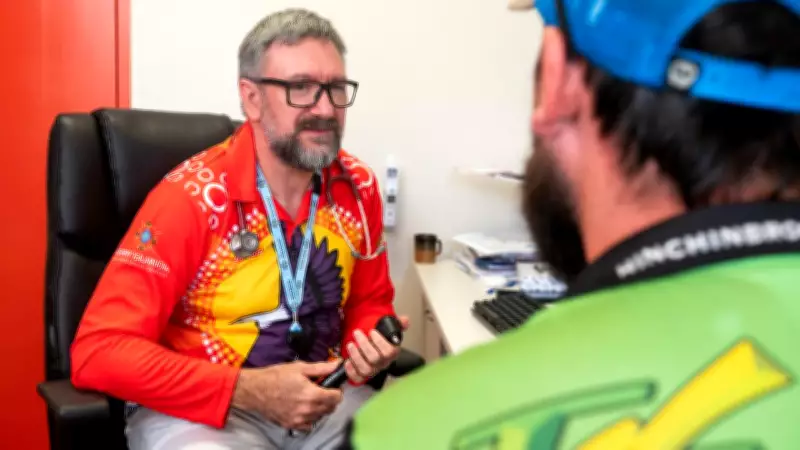
- Training and employing Indigenous healthcare workers to provide culturally competent support.
- Developing educational resources that are tailored to the linguistic and cultural needs of local communities.
- Establishing partnerships with existing health services to create a seamless care pathway.
- Implementing community-based outreach programs to raise awareness about cancer prevention and screening.
Focus on Culturally Sensitive Approaches
Culturally sensitive care is at the heart of this program, recognizing that many Indigenous Australians face barriers such as language differences, mistrust of mainstream health services, and geographical isolation. By incorporating traditional healing practices and community-led decision-making, the program seeks to create a more inclusive and effective healthcare environment. This not only improves patient outcomes but also empowers communities to take an active role in their health and well-being.
Experts highlight that such initiatives are essential for reducing the higher cancer mortality rates observed among Indigenous populations compared to non-Indigenous Australians. The program's holistic approach addresses not only medical needs but also social determinants of health, such as access to transportation, housing, and nutritious food, which can impact cancer risk and recovery.
Expanding Reach and Impact
The program is set to expand its reach across Far North Queensland, targeting remote and rural areas where healthcare access is often limited. Through collaborations with local organizations and government agencies, it aims to build sustainable models of care that can be adapted to other regions with similar challenges. Ongoing evaluation and feedback from community members will guide its development, ensuring it remains responsive to the evolving needs of Indigenous Australians.
This initiative represents a significant step forward in addressing health inequities and promoting better cancer outcomes for some of Australia's most vulnerable populations. By prioritizing Indigenous leadership and cultural respect, it sets a precedent for future healthcare programs nationwide.