Inside The Man Cave: How a Melbourne program is saving boys from toxic online 'manosphere'
As the clock nears 9:30 pm on a school night at Melbourne's Macleod College, a group of 21 teenage boys, dressed casually, gather on the basketball court. Two young men, close in age, join them, blending into the game and banter. Their T-shirts bear the message 'These are the days' on the back, with 'The Man Cave' logo on the front—Australia's leading preventative mental health charity for boys and young men.
This seemingly casual interaction is a crucial rapport-building stage, setting the foundation for facilitators to achieve what many deem impossible: getting a class of Year 11 boys to open up about their feelings and experiences. So far, this approach has proven largely successful, with over 105,000 participants benefiting from the program.
Creating safe spaces for messy conversations
Ben Vasillou, CEO of The Man Cave, explains the methodology: "Our facilitators get out there, hold a safe space, allow for politically-incorrect, messy conversations, and then guide young men into understanding what they actually believe," he says. "Not what they are being told to believe [online]."

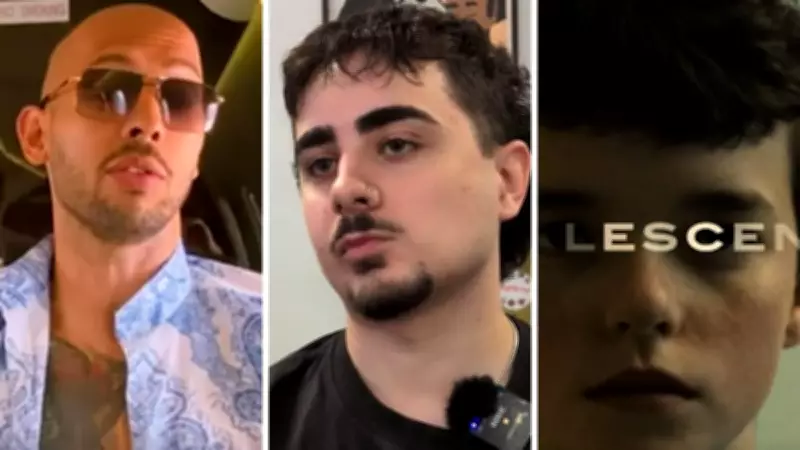
This work is increasingly vital in light of recent media exposes. Last month, Louis Theroux's Netflix documentary, 'Inside the Manosphere', explored a collection of male influencers who claim to offer young men "cheat codes to life." These figures promote far-right beliefs centered on male supremacy, disseminated through podcasts, livestreams, and vertical content clips often used to sell financial coaching courses.
The rapid spread of harmful content
An experiment by Vasillou, conducted just before Australia's social media ban, revealed how quickly this content can infiltrate young minds. A fake 14-year-old boy's TikTok account saw manosphere material populate its For You Page in under five minutes. Theroux's documentary follows Netflix's award-winning series 'Adolescence', which fictionalizes how the manosphere can drive boys to violence, often unbeknownst to parents.
"We are in a world where the fringe is no longer fringe," Theroux concludes in his documentary. "Where we are all increasingly inside the manosphere, and it is up to us how we get out."
A personal journey out of the rabbit hole
On the basketball court, 22-year-old facilitator Leeson Timms laughs with students after missing a shot—a symbol of his own escape from the manosphere. Both 'Adolescence' and 'Inside the Manosphere' highlight how boys as young as 12 are falling into this toxic online world.
"Between me and my friends, it was never a conscious decision to be harmful guys," Leeson recalls. "It was content we found funny. Content being blasted into my algorithm, all following a trend of what it means to be a man who survives."
In 2020, at age 17, Leeson's screen time surged during the pandemic, amplifying the allure of this "Trojan horse" content. "Being forced to be chronically online was challenging, because it was amazing," he says. "My first, second, and third spaces were all online." That year, figures like Andrew Tate and similar influencers gained popularity, offering a sense of clarity in confusing times.
"Day-to-day, we didn't know what tomorrow looked like," Leeson explains. "Seeing men have clarity in a time that felt so confusing was like a breath of fresh air. It changed the way I thought women were allowed to be in a relationship."
The role of women in recovery
However, it was the women in Leeson's life who helped him break free. A pivotal moment came when his girlfriend caught him watching an Andrew Tate video and confronted him. "She said, 'I just wonder what your sisters would think if they saw that'. I'll never forget that line," he shares. This, combined with maturing out of his teens, allowed Leeson to leave the manosphere behind.
A school counsellor then recommended he join The Man Cave, which he describes as "like the world saying to me, 'here's your chance to do something right'." He adds, "Because for a big portion of my life, I did a lot wrong. But the more I've worked here, the more I've realised that it's actually got nothing to do with me. Healthy men helps everybody."

Empowering boys without 'fixing' them
Leeson emphasises that women should not bear the burden of teaching healthy masculinity. "And I don't want to use the word 'fix'," he notes. "Because our young men don't need fixing. They have everything they need, they just need avenues to show, express, and trial it in a way that's safe."
Vasillou underscores the preventative nature of The Man Cave's work. "This old script of expressing your feelings and asking for help is weak, or woke, or gay, or girly—What we're seeing is 75 per cent of all suicides are men, and also, 95 per cent of all violence against women and children is men," he says. "We need to really start to think about how we intervene earlier."
Through initiatives like basketball sessions and open dialogues, The Man Cave continues to provide crucial support, helping young men navigate the complexities of modern masculinity and resist harmful online influences.