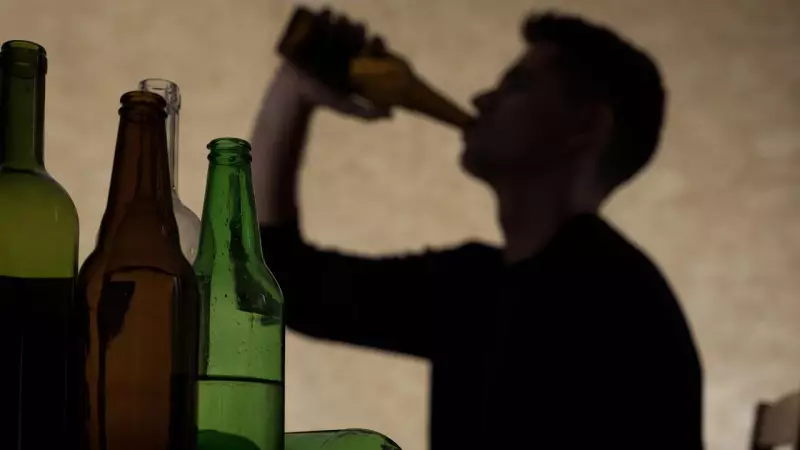
Community leaders in Cairns are making a powerful plea for a fundamental shift in how the city deals with public intoxication. Instead of supporting a proposed police crackdown on public drunkenness, they are demanding significant investment in alcohol education, rehabilitation, and holistic support services.
A Community United Against a Punitive Approach
The debate was ignited by a recent Queensland Police memo, revealed by the Cairns Post, which outlined plans for a strict enforcement campaign targeting public drunkenness in the Cairns City Safe Precinct. This proposed crackdown would involve a zero-tolerance approach, where individuals found intoxicated in public could be slapped with on-the-spot fines or even arrested.
However, this move has been met with strong opposition from key figures on the ground. Councillor Rhonda Coghlan, who holds the community safety portfolio, has been vocal in her criticism. She argues that simply punishing people does nothing to address the root causes of alcohol abuse. "Giving someone a fine or locking them up for the night doesn't solve the problem," Coghlan stated. "It's a band-aid solution that often just pushes vulnerable people further into debt and distress."

This sentiment is echoed by Inspector Mark Henderson from the Cairns Police. While acknowledging the need to manage public safety, Henderson emphasised that police already spend a substantial amount of time dealing with alcohol-related issues. He pointedly noted that a purely punitive system fails to provide a pathway out of the cycle of addiction for individuals.
The Push for Real Solutions: Education and Support
The collective call from the community is clear: redirect resources from enforcement to empowerment. Leaders are advocating for a model that focuses on health and social support rather than criminalisation.
Their proposed solutions include:
- Expanded funding for alcohol and drug education programs that work proactively in schools and communities.
- Increased availability of rehabilitation and counselling services for those struggling with dependency.
- Better support for existing services like the Cairns Night Patrol, which provides a compassionate, non-judgmental response to people in need on the streets.
- A system where intoxicated individuals are taken to a dedicated place of safety or sobering-up centre, not a police cell.
James McCullough, the acting president of the Cairns Chamber of Commerce, supports this health-focused direction. He agrees that the visible symptoms of public intoxication need to be managed for the benefit of the broader community and local businesses, but he insists that "the long-term solution has to be around support".
Learning from Victoria's Landmark Reform
The timing of this debate in Cairns is crucial, as it coincides with a major legal change elsewhere in Australia. In November 2023, Victoria decriminalised public intoxication, becoming the second last state in the country to do so. This reform mandates that health services, not police, become the first responders to people who are drunk in public.
Queensland community leaders are pointing to this model as the way forward. They argue that Queensland, and Cairns specifically, should follow suit by developing a health-based response embedded in legislation. The current laws, they contend, are outdated and disproportionately impact vulnerable and Indigenous communities without offering any real help.
The consensus among advocates is that treating public drunkenness as a criminal issue is an expensive and ineffective failure. Investing in prevention, early intervention, and treatment is not only more humane but is also more likely to create lasting change for individuals and a safer, more vibrant environment for the entire city of Cairns.