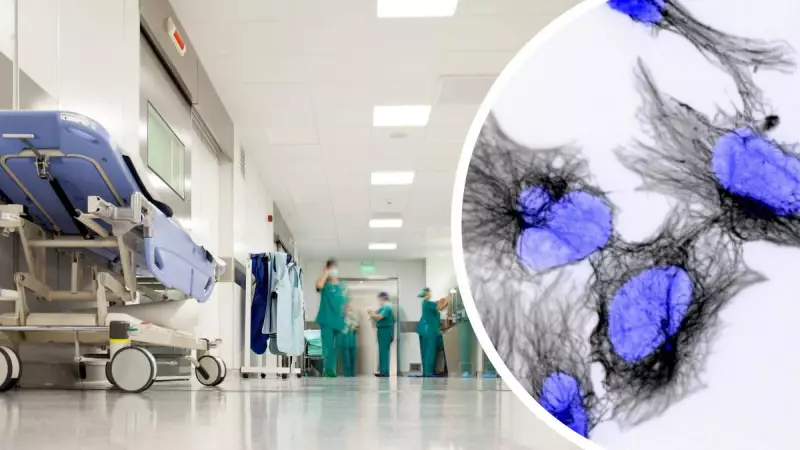
In a significant medical breakthrough that could transform pediatric oncology, Australian researchers have identified a potential drug capable of bypassing treatment resistance in one of the deadliest childhood cancers. The discovery offers new hope for children battling neuroblastoma, a devastating disease that has historically shown remarkable ability to evade conventional therapies.
The Neuroblastoma Challenge
Neuroblastoma represents one of the most aggressive and treatment-resistant cancers affecting young children, typically appearing in those under five years old. What makes this cancer particularly devastating is its tendency to develop resistance to standard treatments, often leading to relapse and tragically low survival rates. Approximately 50% of children with high-risk neuroblastoma will see their cancer return, and when it does, the disease typically shows resistance to previously effective drugs.
The research team, led by Professor Michelle Haber and Dr. Loretta Lau at the Children's Cancer Institute in Sydney, has been working tirelessly to understand why neuroblastoma cells become resistant to treatment. Their investigation revealed that cancer cells can essentially "learn" to survive initial chemotherapy by activating alternative survival pathways, much like finding emergency exits when the main door is blocked.

The Breakthrough Discovery
After extensive laboratory testing, the research team identified a compound that shows remarkable potential in overcoming this resistance mechanism. The experimental drug works by targeting specific proteins that cancer cells rely on for survival when traditional chemotherapy fails. In laboratory models, the treatment successfully eliminated neuroblastoma cells that had previously resisted multiple rounds of conventional therapy.
Dr. Lau explained the significance of their findings: "We've essentially found a way to block cancer's escape routes. When we combine this new approach with existing chemotherapy drugs, we're seeing dramatic results against treatment-resistant neuroblastoma cells that would normally survive and cause relapse."
The research, published in a leading scientific journal, demonstrates that the drug candidate effectively targets the ALK protein pathway, which plays a crucial role in neuroblastoma development and resistance. Approximately 10-15% of neuroblastoma cases involve ALK gene mutations, making this discovery particularly relevant for this subset of patients.
Pathway to Clinical Trials
The research team is now preparing to advance their discovery toward human clinical trials, a process that requires additional funding and regulatory approvals. Professor Haber emphasized the importance of this next phase: "While our laboratory results are extremely promising, the real test will come when we can evaluate this treatment in children who have exhausted other options. We're optimistic that this could become a valuable new weapon in our arsenal against childhood cancer."
The timeline for clinical trials depends on several factors, including additional preclinical testing and securing necessary approvals from therapeutic goods authorities. However, researchers hope to begin phase one trials within the next two to three years, focusing initially on children with relapsed or treatment-resistant neuroblastoma.
This Australian-led research represents a crucial step forward in the global fight against childhood cancer. Each year in Australia, approximately 40 children are diagnosed with neuroblastoma, and until now, treatment options for those with resistant disease have been severely limited. The discovery not only offers hope for neuroblastoma patients but could also inform approaches to overcoming treatment resistance in other childhood cancers.
The research was conducted in collaboration with several Australian and international institutions and was funded through a combination of government grants and charitable donations from organizations dedicated to childhood cancer research. As the team moves forward with development, they remain committed to their ultimate goal: ensuring that every child with cancer has access to effective, life-saving treatments.