Survivor of Deadly Melioidosis Brain Infection Issues Urgent Warning to Queenslanders
A Queensland man who narrowly escaped death after contracting a severe brain infection from melioidosis is now issuing an urgent public health warning to residents across the state. This comes as health authorities report a significant spike in cases during the current wet season, raising alarms about the potentially fatal bacterial disease.
Personal Battle with a Rare and Dangerous Infection
The survivor, whose identity has been shared in local reports, described his harrowing experience with melioidosis, which led to a life-threatening brain infection. He emphasized that the disease, caused by the bacterium Burkholderia pseudomallei found in soil and water, can rapidly progress and cause severe complications if not treated promptly.
"I never imagined a simple cut or scratch could lead to something so devastating," he stated, highlighting how the bacteria typically enter the body through skin wounds or inhalation. His case involved neurological symptoms, including confusion and seizures, which required intensive medical intervention and a lengthy recovery period.

Rising Cases in Queensland During Wet Weather
Health officials in Queensland have noted an increase in melioidosis infections, particularly in northern regions where heavy rainfall and flooding create ideal conditions for the bacteria to thrive. The disease is more common during the wet season, from November to April, when soil becomes saturated and water sources are contaminated.
Experts warn that melioidosis can mimic other illnesses, making early diagnosis challenging. Symptoms often include fever, cough, and localized pain, but in severe cases, it can lead to pneumonia, abscesses, or as in this survivor's instance, brain infections. Without timely antibiotic treatment, the mortality rate can be as high as 40%.
Preventive Measures and Public Health Advice
To combat the risk, the survivor and health authorities are urging Queenslanders to adopt preventive measures, especially during periods of wet weather. Key recommendations include:
- Avoiding contact with muddy water or soil if you have open wounds.
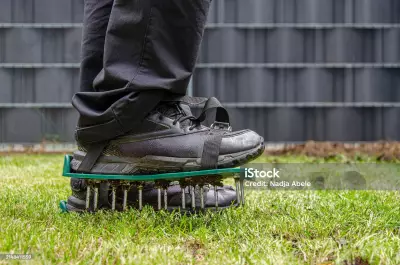
- Wearing protective clothing, such as gloves and boots, when gardening or working outdoors.
- Ensuring proper hygiene by washing hands and any cuts thoroughly with soap and water.
- Seeking medical attention immediately if symptoms develop after exposure to contaminated environments.
Public health campaigns are being intensified to raise awareness about melioidosis, particularly in rural and remote communities where access to healthcare may be limited. The survivor's story serves as a stark reminder of the disease's dangers and the importance of vigilance.
Broader Implications for Regional Health
This case underscores the ongoing health challenges posed by environmental factors in Queensland. As climate patterns shift and extreme weather events become more frequent, diseases like melioidosis may see increased prevalence, necessitating stronger public health responses and community education efforts.
By sharing his experience, the survivor hopes to prevent others from enduring similar ordeals and to encourage proactive health measures across the state.