Why Hibiscus Syriacus Is Still a Top Pick for Australian Gardens
In the ever-changing world of gardening trends, plants can fall out of favour as quickly as they rise, much like fleeting fashion styles. This rapid shift, driven by the cultivation of new hybrids and evolving preferences, has led to the decline of many traditional species, some of which risk becoming unavailable. One such plant is the beautiful and resilient Hibiscus syriacus, a member of the mallow family and the national flower of South Korea.
The Enduring Appeal of Hibiscus Syriacus
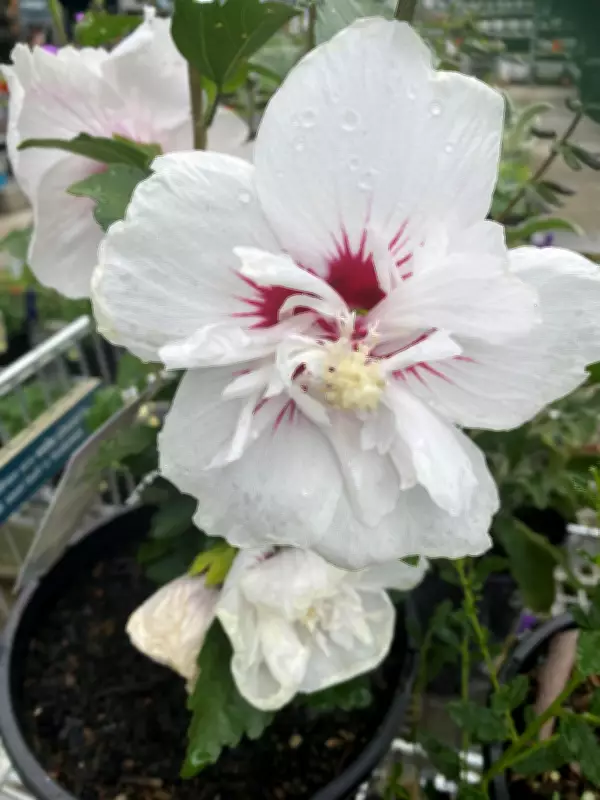
This tough deciduous shrub is renowned for its hardiness, tolerating heat, poor soil conditions, and even air pollution with ease. Originally featuring purple flowers, Hibiscus syriacus now comes in a variety of forms, including single and double flowering options in solid colours such as white, red, purple, mauve, violet, or blue. There are also bi-colored varieties with distinctively coloured throats, depending on the specific cultivar.
Most hybrids grow to a height of 2-4 metres and produce large, striking flowers with prominent stamens. Older gardeners might recall this plant being sold as the Rose of Sharon, often used as a large screening shrub along fence lines. This particular variety boasts enormous double flowers that transition from white to pink as they age. While it has become rare in nurseries, it still graces many older gardens, a testament to its lasting charm.

How to Cultivate and Care for Hibiscus Syriacus
Like other hibiscus family members, Hibiscus syriacus thrives in full sun but can adapt to shady spots that receive dappled light or half a day of sunlight. It is sensitive to phosphorus, so it requires a fertiliser high in potassium and low in nitrogen. A slow-release fertiliser is ideal, with added sulphate of potash applied in spring to promote healthy growth.
Pruning is essential for maintaining shape and encouraging blooms. In frost-prone areas, prune at the end of winter, while in warmer regions, early August is best. The natural shape of Hibiscus syriacus is vase-shaped, except for the Rose of Sharon variety. Proper pruning can make the shrub bushier and stimulate more flowering on new growth.
Sourcing and Propagating This Hardy Shrub
Unfortunately, Hibiscus syriacus is becoming increasingly hard to find in nurseries across Western Australia. However, it is available through online nurseries such as Garden Express, Australian Plants Online, and Tesselaar. When purchased as tube stock, these plants grow quickly, making them a rewarding addition to any garden.
If you know someone who has one, propagation is straightforward. You can take semi-hardwood cuttings in winter or layer a branch by pinning it into the soil until it develops new roots over the summer period. This easy method allows gardeners to share and preserve this classic species.
Additional Gardening Tips for the Season
While hibiscus flowers typically last only one day, they compensate with an abundance of blooms throughout summer and autumn. The sheer size of the flowers alone makes growing at least one in your garden worthwhile.
For other garden tasks this season, consider the following:
- Harvest black sapote fruit before extreme heat waves, as they will ripen off the tree.
- Continue harvesting sweet potato tubers, starting with the largest and moving to the smallest. New plants can be grown from runners taken in April.
For more gardening advice, readers can submit questions to Sabrina Hahn via mail or email, though not all queries may be answered due to volume.