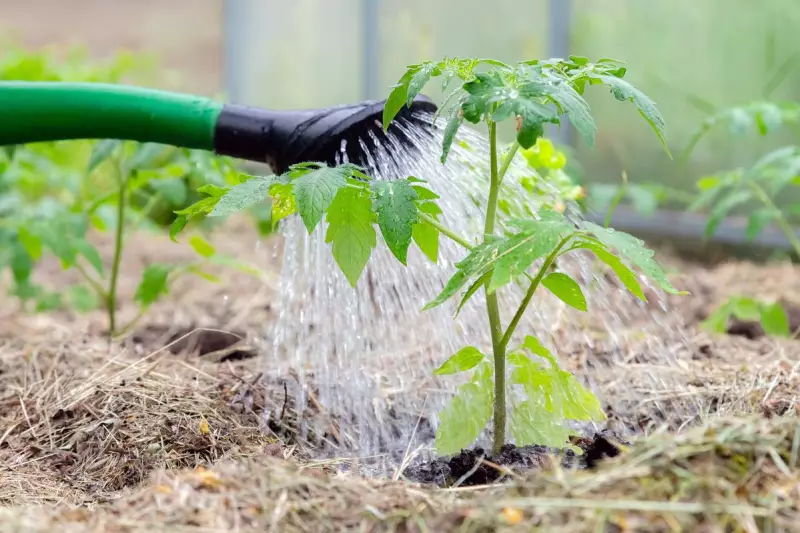
As mid-January arrives across Australia, the state of the home vegetable patch can be a tale of two extremes. It's either brimming with potential or showing signs of fatigue from the relentless sun and soaring temperatures. The challenge of maintaining a garden when you'd rather seek shade is real, but according to renowned gardening expert Charlie Albone, the secret isn't to toil harder. It's about adopting smarter strategies to keep plants productive without exhausting the gardener.
Mastering Moisture and Mulch
Getting your watering technique right is the absolute foundation of summer success. Albone stresses that the method is far more critical than the frequency. Light, daily sprinklings encourage plant roots to linger near the soil surface, where they rapidly dry out and become stressed. The goal should be deep, infrequent soaking that penetrates down to the root zone, encouraging stronger, more resilient root systems.
The ideal time for this task is early in the morning. Evaporation rates are at their lowest, foliage has time to dry before nightfall, and plants are well-hydrated to face the day's heat. Watering in the evening, particularly during humid spells, can leave leaves damp overnight and create a perfect environment for fungal diseases. However, Albone notes that on exceptionally scorching days, a supplemental drink to top up reserves is perfectly acceptable.

Complementing smart watering is the non-negotiable practice of mulching. A generous layer of organic material like straw, sugarcane mulch, or lucerne acts as a protective blanket for your soil. It keeps root temperatures cooler, dramatically reduces water loss through evaporation, and prevents the soil surface from baking into a hard crust. This layer also shelters the beneficial microbes that are vital for soil health. If you haven't mulched yet this season, Albone identifies this as the single most impactful action you can take to boost your summer harvest.
Strategic Planting and Feeding
To avoid a glut of produce followed by a barren patch, Albone advocates for succession planting. Instead of sowing an entire packet of seeds at once, sow smaller amounts every two to three weeks. This is perfect for fast-growing crops like lettuce, rocket, spinach, radishes, and Asian greens. This method ensures a continuous, manageable supply and provides a buffer; if a heatwave damages one batch, the next is already on its way.
There is still ample time in mid-January to plant heat-loving varieties. Bush beans, cucumbers, zucchini, basil, and cherry tomatoes will all thrive in the warm soil. Opt for smaller, faster-maturing types that establish quickly and handle heat better than larger, slower-growing counterparts. When planting new seedlings, water them in thoroughly and consider providing temporary shade protection for their first few days if a heat spike is forecast.
When it comes to fertilising in summer, a gentle approach is best. Heavy applications of fertiliser can force tender, soft growth that wilts rapidly and attracts pests. Albone prefers using regular liquid feeds, but at half the recommended strength, applied in the morning after watering.
Timely Harvests and Pest Management
Harvesting is another area where timing is everything. Picking vegetables in the cool of the early morning yields crisper leaves, firmer fruit, and plants that recover more swiftly. Regular harvesting also signals to plants like zucchini, beans, and cucumbers to keep producing; if fruit is left to mature fully on the vine, production often slows down.
Tomatoes require consistent care during this period. Remove any damaged or diseased leaves to improve air circulation and maintain regular watering to prevent fruit splitting. If extreme heat causes flowers to drop, don't panic—plants frequently pause setting fruit during intense temperatures and will resume once conditions moderate.
Pest activity inevitably increases in summer, but Albone advises against overreaction. Healthy, well-watered plants are naturally more resilient. Regularly inspect the undersides of leaves and address problems early with gentle methods. Often, a strong jet of water or a mild soap solution is sufficient to manage outbreaks.

Finally, Albone emphasises managing expectations. Not every crop will be a winner, and that's perfectly normal for summer gardening. The goal is to maintain momentum, not achieve perfection. While shade cloth, effective mulch, and intelligent watering will carry your garden a long way, sometimes the seasonal rhythm simply means the garden slows down. Recognising and accepting this is part of the wise gardener's journey.