Censored Letters of Wollongong Pioneer Rachel Henning Reveal Hidden Women's History
Groundbreaking research has exposed how the personal correspondence of Wollongong pioneer Rachel Henning was systematically censored when published in the 1950s, erasing crucial insights into women's lives in 19th-century Australia.
The Discovery of Editorial Manipulation
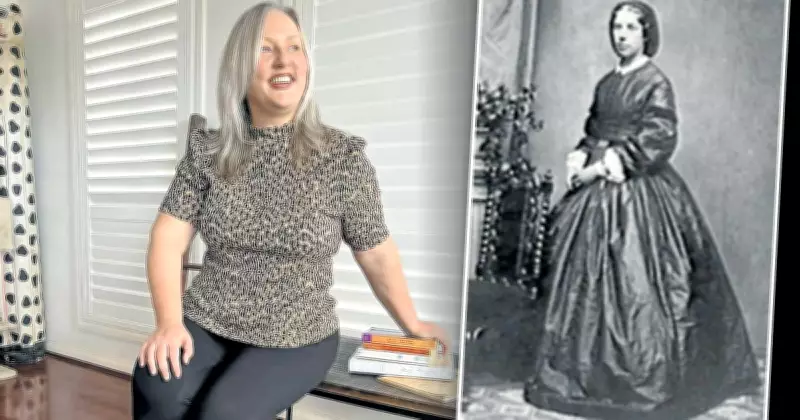
Master of Philosophy candidate Lucy Warden from the University of New England has been meticulously studying Henning's original letters, comparing them to the heavily edited versions published by The Bulletin magazine. Her research reveals a deliberate reshaping of historical narrative to fit editorial agendas.
"We know the letters were edited and why, but my research examines how these edits reflected The Bulletin's worldview more than Rachel Henning's authentic voice," Ms Warden explained.

What Was Removed from History
Henning, who was born in Britain in 1826 and moved to Wollongong with her husband in 1866, wrote approximately 179 letters to family back home. These documents provided candid observations about colonial Australian life.
When The Bulletin published 90 of these letters in serial form during the 1950s, editors removed numerous elements including:
- References to "women's problems" and medical conditions
- Complaints about people around her
- Critical remarks about "colonials"
- Unflattering descriptions of her brother's actions
Agenda-Driven Editing
Ms Warden's analysis suggests the editing served multiple purposes. "The Bulletin was quite keen on the bush narrative and masculine aspects of Australian identity," she noted. "So we see manipulation of how Henning's brother is portrayed, removing anything that didn't present him heroically."
The magazine even added the Henning coat of arms to published letters, subtly suggesting higher social status that could justify presenting her as "a snob."
Historical Significance of Unedited Letters
The original letters, preserved at the State Library of NSW with The Bulletin's editing marks still visible, offer what Ms Warden describes as "very valuable" historical snapshots.
"When you write a letter, what you write is what you're seeing at the time," she emphasized. "You get a live snapshot because it's not an autobiography or memoir. Rachel was getting letters back too, so they became dialogical - like little conversations."
These unredacted documents provide rare, unfiltered glimpses into 19th-century Australian culture and women's experiences that were deemed unsuitable for 1950s publication.
Broader Implications for Historical Research
Ms Warden's work highlights how historical documents have often been filtered through contemporary biases. "There was an agenda in the editing, and that's something that hasn't been examined on a scholarly level until now," she stated.
The research raises important questions about how women's histories have been selectively presented and what other authentic voices might have been similarly altered to fit prevailing narratives of their time.