WA Government Explores New Gas Power Plant Amid Coal Phase-Out Plans
The Western Australian State Government is in advanced planning stages to construct a new gas-fired power station, as it prepares to transition away from coal-fired power generation within the next three years. This move comes as part of a broader strategy to ensure energy security while phasing out state-owned coal plants by 2029.
Business Case Under Development
Synergy, the state-owned energy provider, is currently preparing a comprehensive business case to evaluate options for a new gas-fired power station. The proposal includes two primary pathways: building and operating a government-owned facility to supply gas into WA's main electricity grid, or entering into a supply agreement to purchase gas from a private operator. This business case is expected to be finalized by the end of this year, with no final decisions made yet.
If approved, the new gas-fired power station would have a capacity of approximately 300 megawatts and require an investment of hundreds of millions of dollars. It is projected to be operational by 2029, coinciding with the planned closure of the last coal-fired power station at Muja, near Collie.

Government and Opposition Perspectives
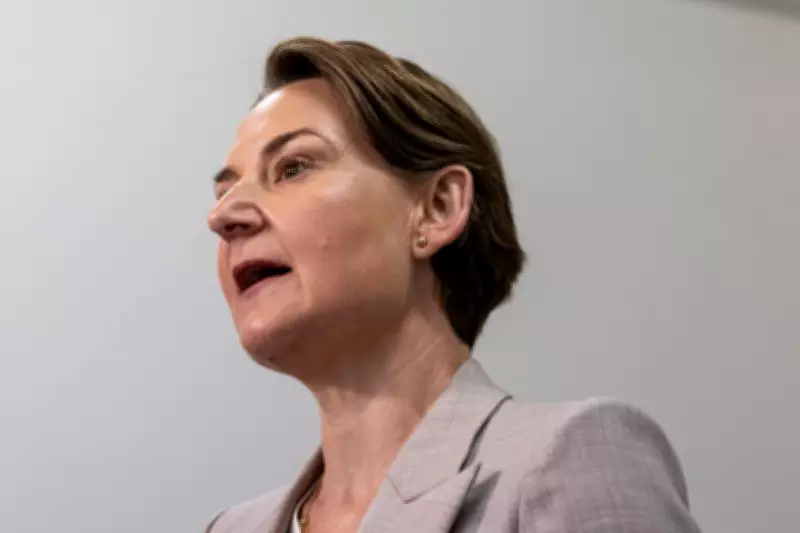
Energy Minister Amber-Jade Sanderson has emphasized that gas will continue to play a crucial role in WA's energy mix, even as the government remains committed to shutting down coal-fired power stations. In a recent interview, she stated, "Gas is going to be needed for security and reliability in the system going forward up to 2030 and beyond." While she declined to comment specifically on the new power station plans, she acknowledged that the government is actively considering all available options, including gas, to meet the state's energy needs.
Premier Roger Cook has also affirmed that gas will be essential for maintaining power supply in WA during the transition to renewables. However, in a recent radio interview, Minister Sanderson hinted at the possibility of extending the life of coal plants if necessary, highlighting the complexities of the energy transition.
Opposition energy spokesman Steve Thomas has long advocated for additional gas generation, arguing that WA requires a 300-megawatt gas-fired power station to compensate for the coal phase-out. He criticized the government's progress on renewable energy projects, noting that only half of the promised 810 megawatts of new renewable generation is on track for delivery. Dr. Thomas also pointed to private sector initiatives, with 650 megawatts of new peak gas generation in planning, which he believes could support the government's energy strategy.
Broader Energy Transition Context
The debate over gas power comes amid WA's broader shift towards renewable energy sources. While the government aims to reduce emissions by phasing out coal, concerns about grid reliability and the pace of renewable deployment have prompted calls for gas as a transitional fuel. Dr. Thomas emphasized, "WA's energy grid desperately needs more gas generation if we want to keep the lights on and air conditioners working during the currently stalling energy transition."
As planning continues, stakeholders are closely monitoring developments to ensure a balanced approach that prioritizes both environmental goals and energy security for Western Australia.