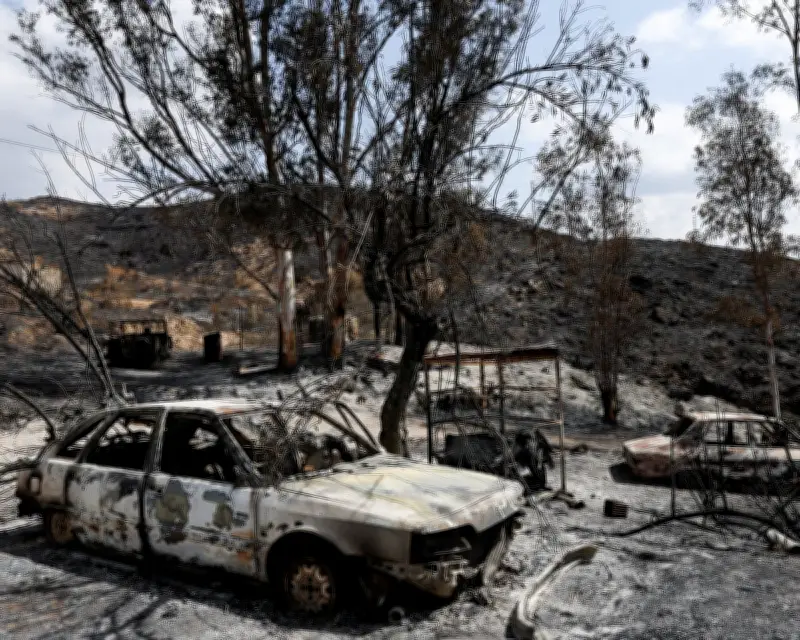
Wildfire Smoke Causes Thousands of Hidden Deaths
A groundbreaking study published in the journal Nature has revealed that the deadly impact of wildfires extends far beyond the flames, with smoke inhalation and related health complications causing thousands of additional deaths long after the fires are extinguished. The research, led by scientists at the University of California, Berkeley, analyzed data from 12 major wildfire events in the United States between 2000 and 2020, finding that for every person killed directly by fire, there were 10 to 15 more who died from smoke-related illnesses in the following months.
Study Methodology and Key Findings
The study used a combination of satellite data, air quality monitoring stations, and health records to track the spread of wildfire smoke and its health effects. It found that particulate matter from wildfire smoke, particularly PM2.5, penetrates deep into the lungs and bloodstream, triggering heart attacks, strokes, and respiratory failures. According to lead author Dr. Sarah Johnson, 'The immediate danger of wildfires is obvious, but our research shows that the smoke can travel hundreds of miles and cause harm for weeks after the fire is out.' The study estimates that between 2000 and 2020, wildfire smoke contributed to over 50,000 additional deaths in the United States alone.
Impact on Vulnerable Populations
The research highlighted that the elderly, children, and those with pre-existing health conditions are most at risk. During the 2018 Camp Fire in California, which killed 85 people directly, the study found that smoke contributed to an additional 1,200 deaths in the following six months. 'These numbers are staggering and underscore the need for better public health interventions during wildfire events,' Dr. Johnson added. The study also noted that low-income communities and people of color are disproportionately affected due to higher rates of underlying health conditions and limited access to healthcare.

Calls for Policy Changes
The findings have prompted calls for policy changes, including improved early warning systems for smoke events, provision of clean air shelters, and stricter regulations on controlled burns. 'We need to treat wildfire smoke as a public health emergency, not just a fire management issue,' said Dr. Johnson. The study's authors recommend that governments invest in air filtration systems in schools and nursing homes, and provide financial assistance for vulnerable populations to purchase air purifiers.
Global Implications
While the study focused on the United States, the researchers say the findings have global implications, as wildfires become more frequent and intense due to climate change. 'What happens in California is a harbinger for the rest of the world,' said co-author Dr. Michael Chen. 'Countries like Australia, Canada, and Greece are already seeing similar patterns.' The study calls for international cooperation to address the health impacts of wildfire smoke and to mitigate the effects of climate change.