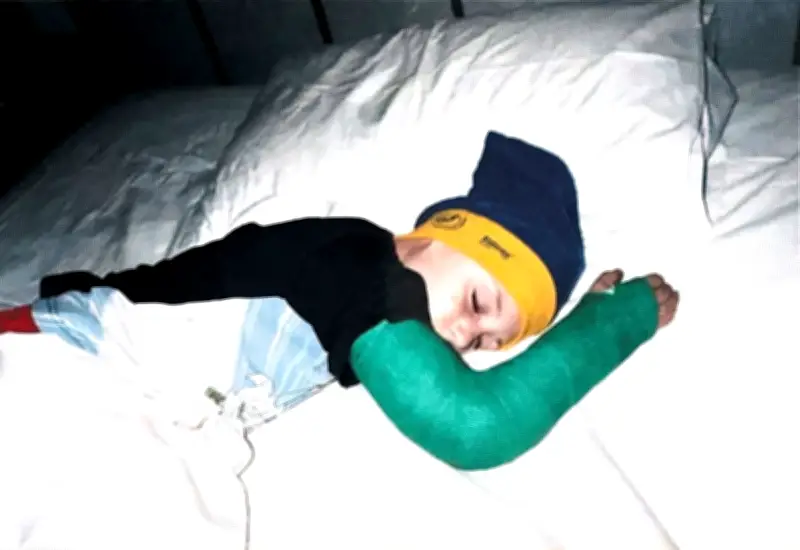
After a lifetime of ignoring physical pain, one man's seventh broken arm forced him to confront what his body had been telling him all along.
A Recurring Injury
For years, the author endured repeated fractures to his left arm, each time dismissing the injury as bad luck or a momentary lapse. The first break occurred during a childhood fall, followed by others during sports, a cycling accident, and even a simple trip on the stairs. Each time, he would undergo treatment, wear a cast, and resume his activities as soon as possible, never pausing to consider why his arm seemed so vulnerable.
The Turning Point
After the seventh break, a doctor's question made him stop: "Have you ever considered that your body might be trying to tell you something?" That query sparked a period of reflection. He realized he had been ignoring not just the fractures but also chronic tension in his shoulders, frequent headaches, and a general sense of fatigue. His arm, he concluded, was the canary in the coal mine.

Listening to the Body
He began to explore the root causes of his injuries. A physiotherapist identified poor posture and muscle imbalances from years of desk work. An occupational therapist pointed to repetitive strain from his hobby of woodworking. But the most significant discovery was psychological: he had been using physical activity as a way to avoid emotional stress, pushing his body past its limits without rest.
A New Approach
He adopted a holistic wellness routine: yoga to improve flexibility and body awareness, strength training to correct imbalances, and mindfulness meditation to manage stress. He also changed his work habits, taking frequent breaks and ergonomic adjustments. "I used to think that pushing through pain was a sign of strength," he said. "Now I know that listening to pain is a sign of wisdom."
Impact and Reflection
Since that seventh break, he has not fractured his arm again. More importantly, he feels more attuned to his body's signals. "Our bodies are constantly communicating with us," he reflects. "We just need to learn to listen." His story serves as a reminder that recurrent injuries may be more than accidents; they can be messages urging us to slow down and care for ourselves.