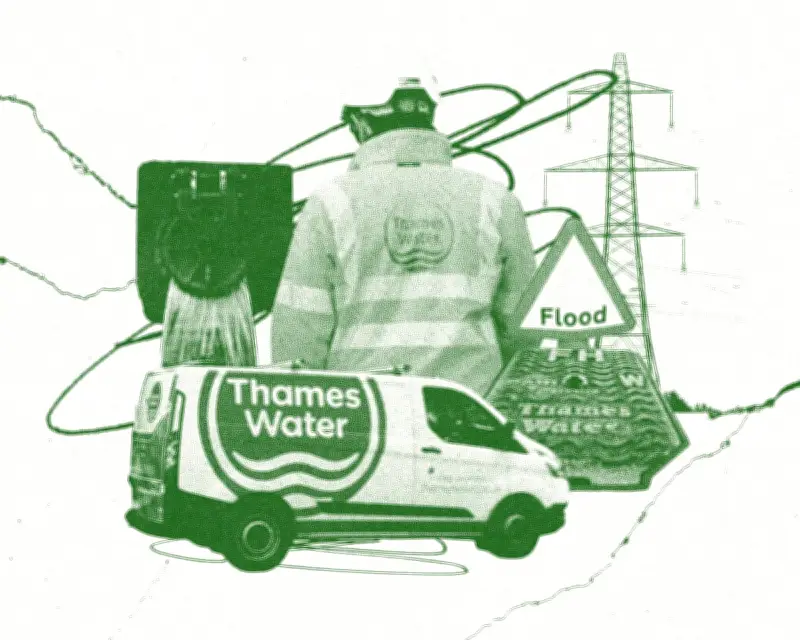
Andy Burnham has unveiled a radical proposal to bring water and energy companies back into public ownership, arguing that the current privatised system has failed consumers and the environment. The Greater Manchester mayor, who is running for the Labour leadership, said nationalisation would allow for lower bills, better investment, and a greener energy grid.
Key Elements of the Plan
Under Burnham's plan, a new publicly owned company would take over the operation of water and energy networks. He claimed this could save households up to £200 a year on energy bills and £100 on water bills. The proposal also includes a pledge to accelerate the transition to renewable energy by investing in wind, solar, and tidal power.
Reaction and Criticism
The plan has drawn mixed reactions. Supporters argue that it would end the 'rip-off' culture of private utilities, while critics warn of the cost and inefficiency of nationalisation. A spokesperson for the energy industry said, 'Nationalisation would cost billions in compensation and lead to higher taxes or borrowing.' Burnham countered that the long-term savings for consumers and the environment would outweigh the initial costs.

Context and Implications
Burnham's announcement comes amid rising public anger over high energy bills and water pollution scandals. Polls suggest a majority of the public now supports public ownership of utilities. If elected Labour leader, Burnham would face the challenge of convincing voters and business leaders that his plan is economically viable.