RACQ Unveils Groundbreaking Teen Driving Program Following Alarming Youth Road Statistics
RACQ has launched an unprecedented driving education initiative designed specifically to assist parents in training teenage learners, responding directly to shocking new data that reveals three-quarters of young drivers exceed speed limits and more than half use mobile phones while operating vehicles.
Disturbing Data Prompts Urgent Action
The RACQ's 2025 Road Safety Survey uncovered deeply concerning behaviors among young Queensland drivers aged 18-24. The comprehensive study found that 76 percent of respondents admitted to driving above the speed limit, while 62 percent confessed to operating vehicles while fatigued. More than half (52 percent) reported driving with mobile phones in hand, and 29 percent acknowledged driving under the influence of alcohol.
These alarming statistics emerge as Queensland confronts its worst road toll in sixteen years, with 308 fatalities recorded in 2025 alone. The skyrocketing death toll represents a stark reversal of pre-pandemic safety improvements, with RACQ estimating fatalities should be closer to 200 if previous progress had continued.

The Coaching Lane: A Comprehensive Solution
Developed through extensive consultation with parents who understand the realities of teaching from the passenger seat, The Coaching Lane offers both online and in-person modules. The program addresses a critical gap in driver education, as 82 percent of learners receive most instruction from family members rather than professionals, despite 80 percent expressing greater confidence with trained instructors.
Tiffany Boyd, RACQ coaching and development specialist, explained the program's necessity: "For many parents, supervising a learner driver can be a genuinely daunting experience. While teens are taught how to handle the car, adults are often left to handle the stress on their own. We wanted to create a practical program that aims to take the pressure off parents teaching teens and ensure young drivers develop the skills and mindset they need to stay safe."
Addressing Systemic Road Safety Challenges
RACQ Managing Director and Group CEO David Carter emphasized the urgent need for cultural change: "The status quo is not working. We cannot continue to accept this level of road trauma as inevitable or unavoidable. Only a strong program of behaviour change, greater data transparency and bold policy reform will reverse this alarming trajectory."
Carter stressed that while governments play a critical role, every road user must take responsibility for their behavior behind the wheel. He highlighted that young drivers, male drivers, and motorcycle riders continue to be disproportionately represented in crash statistics, necessitating comprehensive solutions.
Parental Perspectives on the Learning Challenge
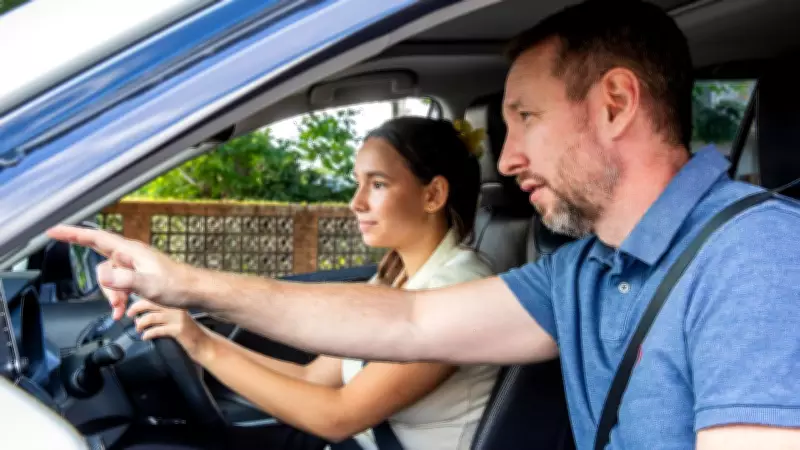
Brisbane father Mike Louchart, who is teaching his third child to drive, shared his experience: "Even though Ella is the third child I've taught to drive, that moment of surrendering control from the passenger seat is still nerve-racking. I put my hand up to help because I know how little guidance exists for parents teaching their children to drive. I'm on my third child, and I still question whether I'm instilling the right, safe driving habits."
The program teaches five critical strategies to parents:
- Treating every drive as a structured lesson rather than just a trip
- Choosing destinations and routes matched to skill levels
- Building trust through calm responses in stressful situations
- Introducing varied driving conditions early in the learning process
- Creating supportive coaching environments focused on small wins
Broader Impact of Road Trauma
The social cost of road trauma has been staggering, with Queensland suffering more than $37.5 billion in costs between 2020 and 2024 alone. During this period, 40,873 people suffered fatal or serious injuries that have permanently altered thousands of lives.

Additional RACQ data reveals young Queenslanders aged 15-24 are 60 percent more likely to crash than older drivers, with road trauma representing the second leading cause of death for this age group. Between 2019 and 2024, 444 fatalities involved young drivers aged 16-24, with 223 of those victims on provisional plates.
Gender disparities remain pronounced, with male drivers accounting for more than 70 percent of road fatalities annually between 2020 and 2025. Motorcyclists, despite representing just 4 percent of vehicles, accounted for over 26 percent of road deaths in 2024, with one in four fatalities between 2020 and 2024 involving riders.
Louchart summarized the parental experience succinctly: "I know the road rules, I know I'm a safe driver – but translating instincts into structured lessons that build safe habits is another skill altogether. Most of us are really flying blind."
The Coaching Lane program represents RACQ's comprehensive response to what has become a public safety crisis, aiming to equip parents with the tools they desperately need but have historically lacked while fostering meaningful conversations about road safety between supervisors and learners.