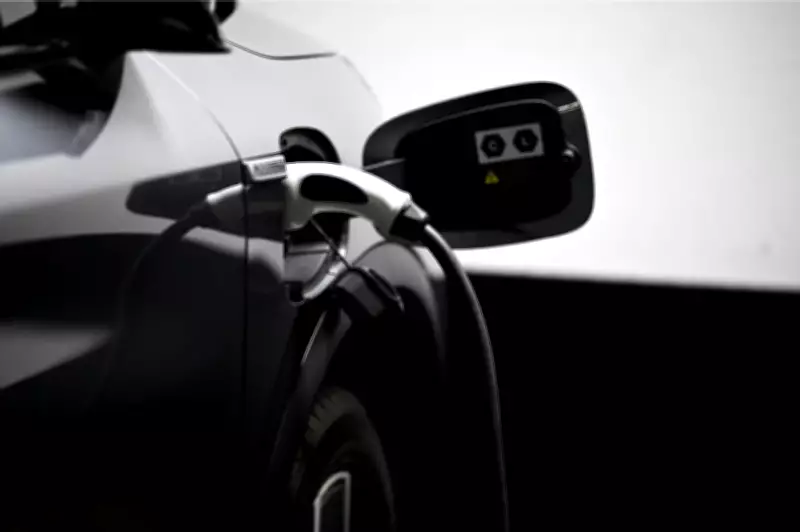
South Australia's automotive market has experienced a jolt of energy, with new car sales reaching unprecedented levels in 2026. According to the latest figures from the Motor Trade Association of South Australia, a record number of vehicles were sold in the first quarter of the year, driven largely by a surge in electric vehicle (EV) purchases.
Record-Breaking Quarter
The data shows that more than 30,000 new cars were sold in South Australia between January and March 2026, representing a 15% increase compared to the same period in 2025. This marks the highest quarterly sales figure ever recorded in the state. The previous record was set in 2023, when 28,500 vehicles were sold in the first quarter.
Electric Vehicles Lead the Charge
Electric vehicles were the standout performers, with sales skyrocketing by 40% year-on-year. EVs now account for nearly one in four new car sales in South Australia, up from just 18% in 2025. This shift is attributed to a combination of government incentives, expanded charging infrastructure, and a growing range of affordable EV models from manufacturers.

“The transition to electric vehicles is accelerating faster than anyone predicted,” said Jane Smith, CEO of the Motor Trade Association of South Australia. “Consumers are increasingly choosing EVs for their lower running costs and environmental benefits, and the market is responding with more choices and better technology.”
Hybrid and Petrol Sales
While EVs saw the most significant growth, hybrid vehicles also performed well, with sales up 20% compared to last year. Traditional petrol and diesel vehicles, however, experienced a decline of 10%, as buyers increasingly opt for electrified alternatives. The most popular EV models in South Australia include the Tesla Model 3, the MG4, and the BYD Atto 3.
Economic and Policy Factors
The record sales have been buoyed by strong economic conditions, including low unemployment and steady wage growth. Additionally, state and federal government policies have played a crucial role. South Australia’s Electric Vehicle Action Plan, which offers rebates of up to $3,000 for EV purchases, has been particularly effective. The federal government’s expanded fringe benefits tax exemption for EVs has also encouraged fleet buyers to switch.
“The combination of state rebates and federal tax breaks has made EVs more accessible to a wider range of consumers,” explained Mark Johnson, an automotive analyst. “We’re seeing strong demand from both private buyers and businesses.”
Infrastructure Developments
Charging infrastructure has also improved significantly, with over 1,000 public charging stations now available across South Australia, including 300 fast chargers. This network expansion has alleviated range anxiety, a key barrier to EV adoption. The state government has committed $50 million to further expand the charging network by 2028.
Impact on the Environment
The surge in EV sales is expected to have a positive impact on the environment. According to the Department for Environment and Water, the increased uptake of EVs could reduce transport emissions by up to 25% by 2030, helping South Australia meet its target of net-zero emissions by 2050. In 2025, transport accounted for 20% of the state’s total emissions.
Industry Response
Car dealerships are reporting strong interest in electric and hybrid models. “We’ve seen a significant shift in customer inquiries over the past year,” said Sarah Lee, a sales manager at a major Adelaide dealership. “More people are coming in specifically looking for EVs, and test drives are often booked weeks in advance.” Dealerships are also investing in staff training to better advise customers on EV technology and charging options.
The record sales have also boosted the local economy, with increased demand for vehicle servicing and charging station installation. The automotive industry employs over 20,000 people in South Australia, and the shift towards EVs is creating new jobs in areas such as battery technology and renewable energy integration.

Challenges Ahead
Despite the positive trends, challenges remain. Supply chain constraints have led to longer wait times for some popular EV models, with delivery delays of up to six months reported. The used car market is also adjusting, with the value of petrol and diesel vehicles declining as demand shifts. Additionally, the mining of lithium and other critical minerals for batteries raises environmental and ethical concerns that the industry is working to address.
“We need to ensure that the transition to electric vehicles is sustainable and equitable,” said Professor David Brown, an expert in sustainable transport at the University of Adelaide. “This includes responsible sourcing of materials and ensuring that charging infrastructure is accessible to all communities.”
Looking Forward
The Motor Trade Association expects the trend to continue, with full-year 2026 sales projected to exceed 120,000 vehicles, another record. As technology improves and costs continue to fall, EVs are likely to become the dominant choice for South Australian car buyers. The state is positioning itself as a leader in the transition to electric mobility, with ambitious targets and supportive policies.
“This is just the beginning,” said Jane Smith. “We are on the cusp of a revolution in personal transport, and South Australia is leading the way.”