Rare Wood Borer Eggs Uncovered in Brindabella Ranges by Tim the Yowie Man
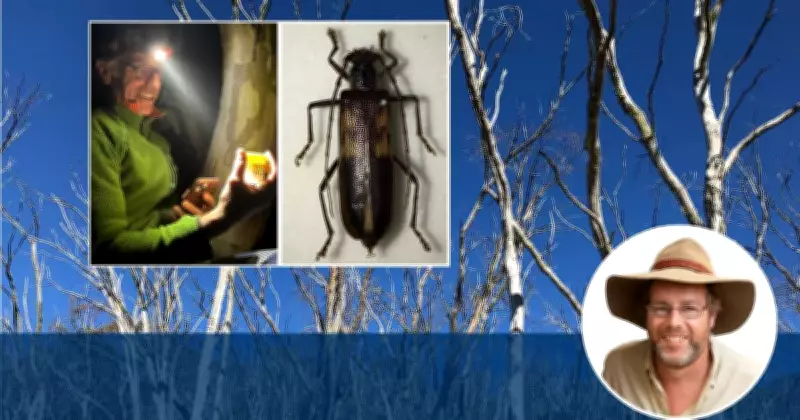
In a remarkable discovery that has captivated the scientific community, cryptozoologist and naturalist Tim the Yowie Man has identified a cluster of rare wood borer eggs in the remote Brindabella Ranges near Canberra. This find, reported by the Canberra Times, marks a significant moment for entomological research in Australia, shedding light on the elusive life cycle of these insects in their natural habitat.
Details of the Discovery
The eggs were found nestled in the bark of a decaying eucalyptus tree, a typical environment for wood borers, which are known for their role in breaking down dead wood in forest ecosystems. Tim the Yowie Man, renowned for his explorations of Australia's wilderness and mysterious phenomena, made the discovery during one of his routine surveys of the region's biodiversity.
This is not just a casual observation; it represents a rare opportunity to study these eggs up close, as wood borers are often difficult to spot due to their cryptic nature and the inaccessibility of their nesting sites. The Brindabella Ranges, with their rugged terrain and diverse flora, provide an ideal setting for such hidden treasures.

Significance for Science and Conservation
The identification of these eggs is crucial for understanding the reproductive habits of wood borers, which play a vital role in forest health by aiding in decomposition. Entomologists have expressed enthusiasm about the potential insights this discovery could offer into insect behavior and ecology.
Conservation efforts may benefit from this find, as it highlights the importance of preserving natural habitats like the Brindabellas. The area is already known for its rich biodiversity, and this discovery underscores the need for ongoing protection against threats such as deforestation and climate change.
- Wood borers contribute to nutrient cycling in forests.
- Their eggs are rarely documented in the wild.
- The Brindabella Ranges are a hotspot for endemic species.
Tim the Yowie Man's Role and Future Implications
Tim the Yowie Man, whose real name is Tim Bull, has long been a figure in Australian folklore and natural history, often investigating cryptids and unusual natural occurrences. His work bridges the gap between public interest and scientific inquiry, bringing attention to lesser-known aspects of Australia's environment.
This discovery could lead to further research collaborations, with scientists planning to monitor the site to observe the eggs' development and hatching. It also serves as a reminder of the wonders that still await discovery in Australia's vast wilderness areas.
- The eggs will be studied for species identification.
- Potential impacts on local ecosystems will be assessed.
- Public awareness campaigns may be launched to promote conservation.
In summary, the finding of rare wood borer eggs in the Brindabella Ranges by Tim the Yowie Man is a testament to the value of exploratory fieldwork and the enduring mysteries of nature. It reinforces the importance of safeguarding our natural heritage for future generations.