Man Ordered to Pay Over $60,000 for Importing Threatened Lizard Species in Sydney
In a significant ruling, a 20-year-old man has been sentenced to pay more than $60,000 for importing threatened and protected lizard species into New South Wales. Zaixi Zheng faced charges in the Downing Centre Local Court in Sydney on Wednesday, related to the trafficking of 25 native lizards, with authorities emphasizing the severity of wildlife crimes.
Details of the Offences and Penalties
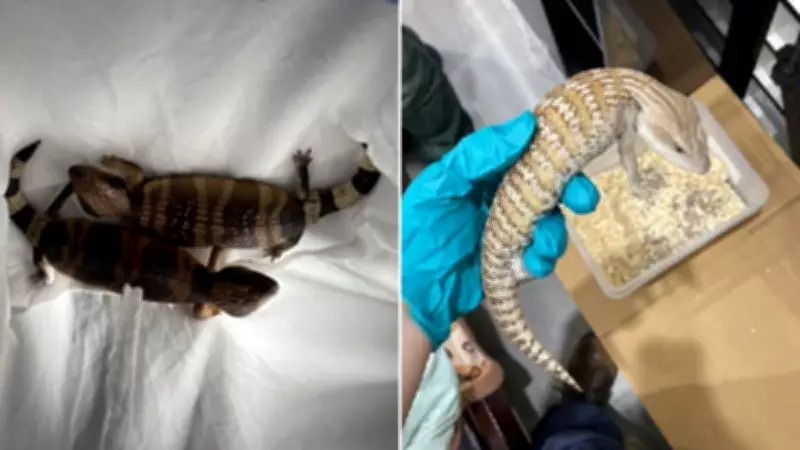
An investigation conducted by the Climate Change, Energy, Environment and Water Department (DCCEEW) revealed that two of the imported animals were western blue tongue lizards, a species listed as threatened in NSW. The remaining 23 lizards were identified as common blue tongue lizards. Zheng was fined $48,000 for two offences under the Biodiversity Conservation Act and two additional charges brought by NSW Police for unlawfully dealing in protected animals. Additionally, he was ordered to pay $15,000 to cover prosecution costs, bringing the total penalty to over $60,000.
Authorities' Response and Conservation Message
The DCCEEW has praised the penalty, stating it aims to deter future offenders. Adam Gilligan, chief regulatory officer of the Biodiversity and Heritage Regulator, commented, "Our native animals are not commodities to be traded, and we will act against those who seek to profit from them unlawfully." He added that illegal dealing undermines conservation efforts and harms vulnerable species, stressing that protecting biodiversity is a core priority for the department. NSW authorities are committed to collaborating with law enforcement to disrupt illegal wildlife trade.

Legal Implications and Public Awareness
It is illegal in NSW to trade, buy, sell, import, export, or possess threatened or protected native animals without government approval. The DCCEEW warns that such actions threaten unique biodiversity and can lead to serious consequences, including criminal charges, fines, a criminal record, and potential visa issues for temporary holders. The department urges anyone with information on suspected wildlife trafficking or illegal possession to report it to NSW Environment.