WA Wildlife Hospital Celebrates Fifth Birthday with Over 32,000 Animals Admitted
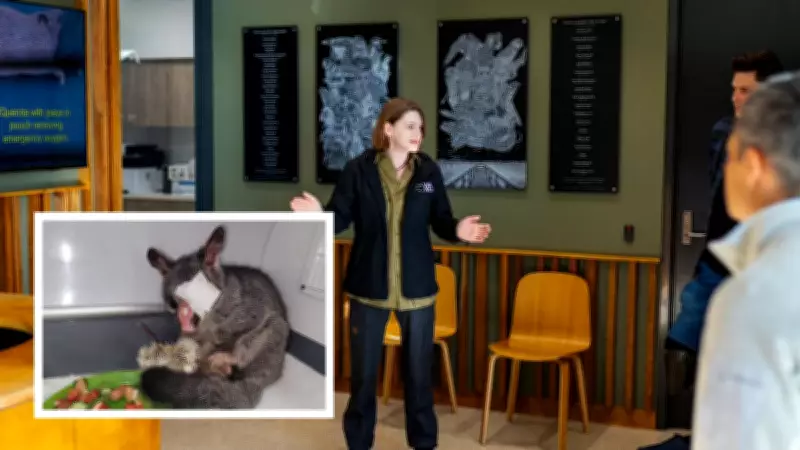
Western Australia's inaugural and sole designated wildlife veterinary hospital commemorated a significant milestone over the weekend, marking its fifth anniversary with festivities that highlighted its remarkable achievements in animal care. The Bibra Lake facility, which supports Australia's most active rescue-to-release organisation, has admitted more than 32,000 animals since its establishment in 2021, transforming wildlife rehabilitation in the region.
A Hub for Advanced Veterinary Care
Dean Huxley, Chief Executive Officer of WA Wildlife, emphasised the hospital's pivotal role in enhancing the level of care provided to local fauna. "Every animal that we admit, we keep for the entire time it's in care. We don't outsource any animals to external rehabilitators or groups, and we have full veterinary oversight from admission right through to release," he stated. "The launch of the WA Wildlife hospital has really enabled that. Prior to opening, we were admitting around 3000 animals a year, and we weren't able to do the advanced veterinary work we're doing now."
The hospital admits over 6500 animals annually, with patient demographics comprising approximately 70% birds, 15% reptiles, and 15% mammals. In April alone, staff have admitted 67 animals, incurring costs exceeding $10,000 for the not-for-profit facility.

Addressing Growing Challenges and Trends
Veterinarians at the hospital treat a wide array of issues, including fishing line entanglements and ingestion, attacks by domestic cats and dogs, and an emerging concern: disease. Huxley noted a troubling trend, with a 17% year-on-year growth in admissions. "We're seeing a lot more animals coming in with disease, which is quite scary because diseases can transfer from animals to humans, and we just don't know what diseases are out there," he explained.
The hospital's unique operational model relies heavily on community support, with about 95% of staff being volunteers and only 5% permanent employees. "Most of our staff are vets or people managing our volunteers and programs. We have over 500 volunteers who contribute weekly or fortnightly, primarily from the Cockburn, Fremantle, and Melville areas," Huxley added.
Community Support and Future Initiatives
The success of the WA Wildlife hospital is largely attributed to robust community backing, particularly from the City of Cockburn, which covered 15% of operating expenses and funded the hospital's construction in 2021. "As far as we know, they're the only local government in Australia that funds wildlife rehabilitation, which is huge," Huxley remarked.
He urged the public to take proactive steps in supporting local wildlife, such as providing water during summer or planting trees in suburban areas to create habitats. Additionally, the hospital is currently collecting donations to aid wildlife affected by ex-tropical cyclone Hayley in northern WA.
To foster greater community engagement, WA Wildlife encourages locals to follow their social media channels for updates on wildlife conditions and to book daily tours of the centre, with all proceeds directed towards hospital operations.
Reflecting on the hospital's journey, Huxley shared, "I think, for myself and the volunteers who have been at WA Wildlife longer than five years or even 10 years plus, it was always a dream of ours to build a veterinary hospital that solely treats wildlife. We still have moments now where we'll walk past the surgery and see our vets doing an orthopaedic leg repair on a frog, or something really crazy, and we just wouldn't have believed five years ago that it was possible."