South Australia's Marine Emblem, the Leafy Seadragon, Vanishes from Key Diving Site
The iconic leafy seadragon, which serves as South Australia's official marine emblem, has mysteriously disappeared from a renowned diving hotspot, sparking significant alarm among marine biologists, conservationists, and local diving communities. This sudden absence has raised urgent questions about the health of the marine ecosystem and potential threats to this unique species.
Details of the Disappearance
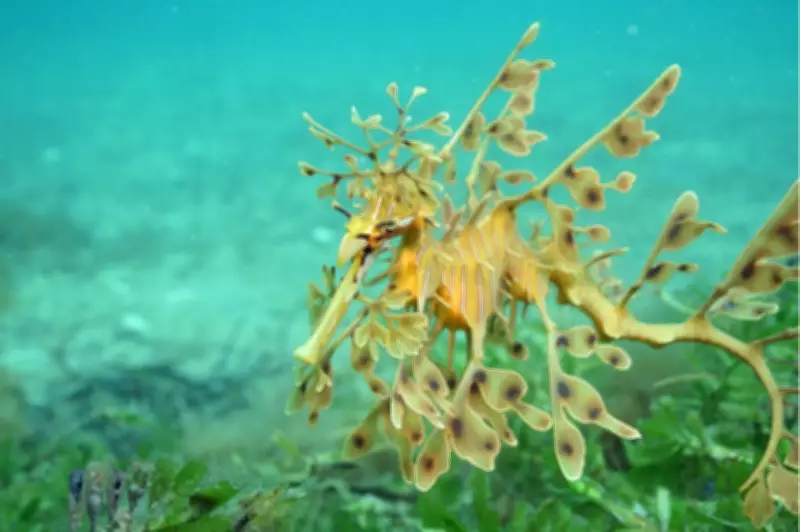
Reports indicate that the leafy seadragon, known for its elaborate leaf-like appendages that provide camouflage among seaweed and kelp, has not been sighted at a popular diving location for several weeks. This site, previously a reliable spot for observing these creatures, has seen a complete absence of the species, with divers and researchers noting an unusual void in the area.
The leafy seadragon, scientifically named Phycodurus eques, is endemic to the southern and western coasts of Australia, making its disappearance particularly concerning for regional biodiversity. Experts emphasize that this species is not only a symbol of South Australia's marine heritage but also a key indicator of environmental health.

Potential Causes and Concerns
Scientists are investigating several possible factors behind the disappearance, including:
- Habitat degradation: Changes in water quality, pollution, or damage to kelp forests could have disrupted the seadragon's environment.
- Climate change impacts: Rising ocean temperatures and acidification may be affecting the species' food sources or breeding patterns.
- Human activities: Increased diving traffic, accidental capture, or coastal development might have contributed to the decline.
- Natural predators or disease: While less common, shifts in predator populations or outbreaks of marine diseases could play a role.
Conservationists warn that the loss of the leafy seadragon from this hotspot could signal broader ecological issues, potentially affecting other marine life in the region. The species is already considered near-threatened in some areas, making this event a critical focus for ongoing research and protection efforts.
Response from Authorities and Community
Local authorities and environmental groups have launched monitoring programs to track the seadragon's status and assess the diving site's conditions. Divers are being encouraged to report any sightings, while researchers conduct surveys to determine if the species has relocated or if populations have declined.
The diving community, which often celebrates the leafy seadragon as a highlight of underwater excursions, has expressed deep concern, with many calling for enhanced conservation measures. Public awareness campaigns are being developed to educate people about the importance of preserving this marine emblem and its habitat.
This incident underscores the fragility of marine ecosystems and the need for proactive conservation strategies. As investigations continue, stakeholders hope to uncover the cause of the disappearance and implement solutions to safeguard the leafy seadragon for future generations.