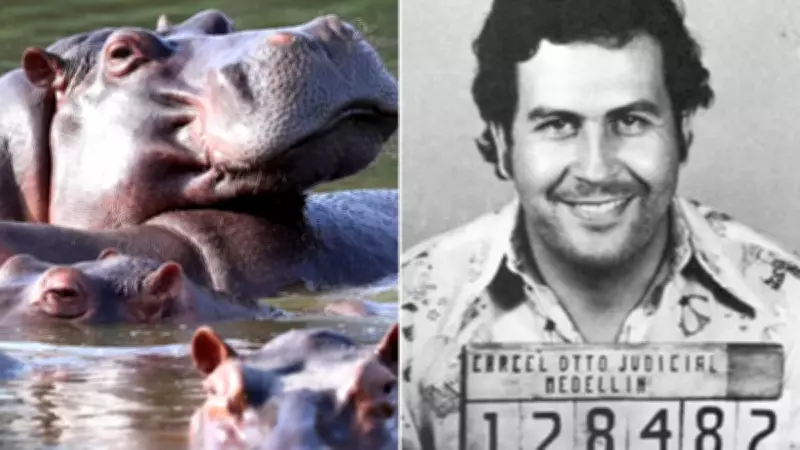
Colombia Authorizes Cull of Pablo Escobar's 'Cocaine Hippos' to Protect Ecosystems
Colombia has officially authorized a controversial plan to cull dozens of hippos descended from Pablo Escobar's infamous private collection, with government officials warning the booming herd poses a severe threat to local communities and fragile river ecosystems. Environment Minister Irene Velez confirmed the decision, stating that up to 80 hippos will be targeted after years of unsuccessful sterilisation attempts and relocation proposals failed to curb the population's explosive growth.
"If we don't do this we will not be able to control the population," Vélez declared on Monday. "We have to take this action to preserve our ecosystems." The animals trace their origins to four hippos illegally imported by the notorious drug lord in the 1980s for his private zoo at Hacienda Napoles. Following Escobar's death in 1993, most exotic animals were removed, but the hippos were abandoned, left to thrive in the Colombian wilderness.
Rapid Population Growth and Environmental Impact
With abundant food sources and no natural predators, the hippo population has multiplied rapidly, estimated at around 170 individuals by 2022. Sightings have been reported more than 100 kilometres from the original ranch, indicating their expanding range. Authorities emphasize that the hippos now present a serious risk to nearby villages, with residents frequently encountering the aggressive animals in rivers and agricultural lands.

Environmental agencies have raised alarms that the invasive species is competing with native wildlife, including river manatees, and causing significant damage to waterways through large volumes of waste. Colombia remains the only country outside Africa with a wild hippo population, a unique and problematic legacy of Escobar's criminal empire.
Failed Alternatives and Tourist Appeal
The government previously explored relocating some hippos to overseas sanctuaries, but the plan stalled due to prohibitive costs—estimated at US$3.5 million (approximately A$5 million)—along with concerns about disease transmission and genetic issues. Despite the ecological threats, the hippos have become a major tourist attraction around Hacienda Napoles, which now operates as a theme park featuring waterslides, a zoo, and hippo-spotting tours.
Local businesses capitalise on the phenomenon, selling hippo-themed souvenirs, and the animals remain one of the park's biggest draws. However, this economic benefit is overshadowed by the urgent environmental and safety concerns driving the cull decision.
Controversy and Animal Rights Opposition
Animal rights groups have vehemently condemned the culling plan, arguing that the hippos are victims of decades of government inaction and mismanagement. Senator and animal welfare advocate Andrea Padilla labelled the strategy "cruel", asserting in a social media post that "killings and massacres will never be acceptable."
For over a decade, successive Colombian governments have attempted to neuter some of the animals, but these operations have proven dangerous, costly, and insufficiently slow to match the herd's rapid reproduction rates. The new cull initiative represents a stark shift in policy, prioritising ecosystem preservation and public safety amid growing frustration with previous mitigation efforts.