Major Food Producers Brace for Prolonged Supply Chain Crisis as Nervous Consumers Begin to Stockpile
In a significant development for the Australian retail sector, major food producers are now bracing for an extended supply chain crisis that could disrupt the availability of essential goods across the country. This situation has been exacerbated by a noticeable trend of nervous consumers starting to stockpile items, driven by growing concerns over economic instability and potential shortages. The convergence of these factors is creating a challenging environment for businesses and households alike, with industry experts warning of potential ripple effects throughout the economy.
Supply Chain Disruptions Intensify
The supply chain crisis facing food producers is not a new phenomenon, but recent indicators suggest it is becoming more severe and prolonged. Key issues include disruptions in transportation logistics, labor shortages in critical sectors such as manufacturing and distribution, and increased costs for raw materials and energy. These challenges are forcing producers to reassess their operational strategies and contingency plans, with many investing in additional storage capacity and alternative supply routes to mitigate risks. The complexity of modern supply chains, which often span multiple countries and involve numerous intermediaries, makes them particularly vulnerable to such disruptions, highlighting the need for greater resilience and flexibility in the industry.
Consumer Behavior Shifts Toward Stockpiling
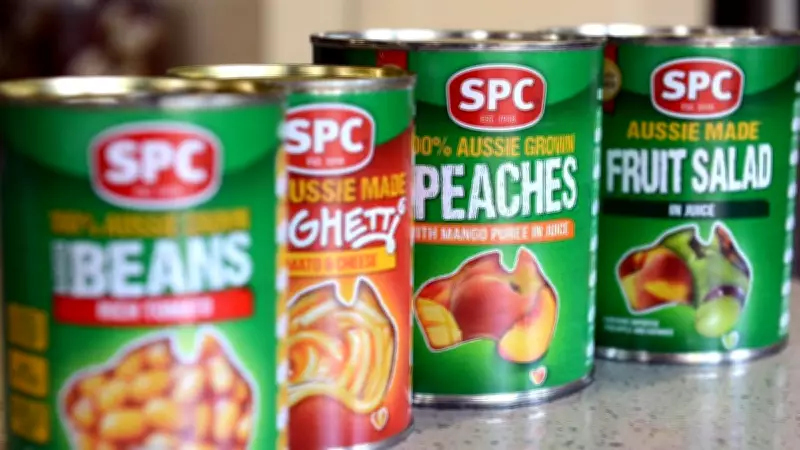
Amid this uncertainty, consumer behavior is shifting markedly, with many Australians beginning to stockpile essential food items and household goods. This trend is reminiscent of earlier periods of economic stress, such as during the COVID-19 pandemic, when panic buying led to temporary shortages in supermarkets. However, current stockpiling appears to be more sustained, driven by broader anxieties about inflation, rising living costs, and potential future supply constraints. Retailers report increased demand for non-perishable goods, canned foods, and other staples, which is putting additional pressure on already strained supply chains. This behavior not only exacerbates the crisis but also raises concerns about equitable access to necessities for all consumers, particularly vulnerable populations.

Economic and Business Implications
The prolonged supply chain crisis and consumer stockpiling have significant implications for both the economy and businesses. For food producers, the increased costs and logistical hurdles are likely to lead to higher prices for consumers, contributing to inflationary pressures. Small and medium-sized enterprises may face particular challenges, as they often lack the resources to absorb such shocks or invest in robust contingency measures. On a broader scale, this situation could impact Australia's food security and export capabilities, potentially affecting trade balances and international relations. Industry leaders are calling for coordinated efforts between government, businesses, and stakeholders to address these issues, including investments in infrastructure, workforce development, and technology to enhance supply chain efficiency.
Looking Ahead: Strategies for Resilience
As the crisis unfolds, food producers and retailers are exploring various strategies to build resilience and adapt to the new reality. These include diversifying supply sources to reduce dependency on single regions, adopting advanced technologies like blockchain for better supply chain visibility, and fostering closer collaborations with logistics partners. Additionally, there is a growing emphasis on sustainability and local production to mitigate risks associated with global disruptions. For consumers, experts advise against excessive stockpiling, which can worsen shortages, and instead recommend maintaining reasonable household inventories while supporting local businesses. The path forward will require a balanced approach that addresses immediate challenges while laying the groundwork for a more robust and responsive supply chain system in the future.