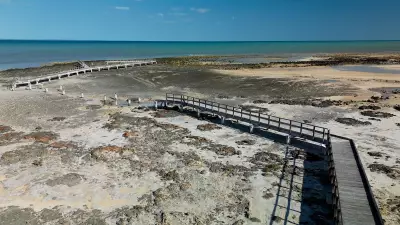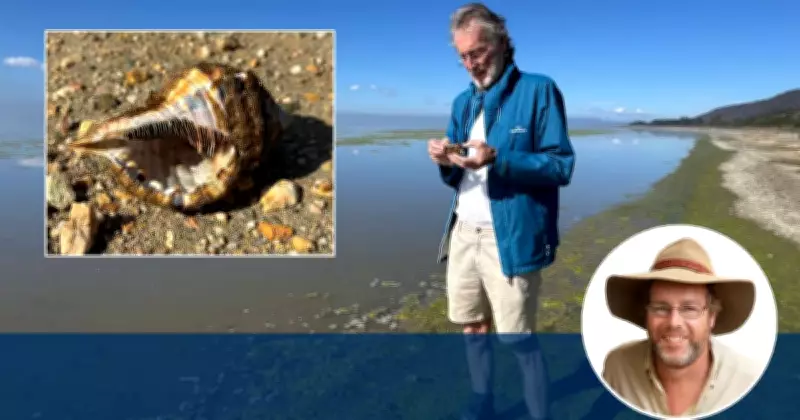
For years, the mysterious appearance of sea shells and columns of smoke at Lake George in New South Wales has puzzled locals and visitors alike. Now, experts have finally shed light on these unusual phenomena, revealing that they are the result of natural geological and biological processes.
The Mystery of the Sea Shells
One of the most perplexing sights at Lake George is the presence of sea shells scattered across its dry bed. Given that the lake is located inland, far from the ocean, the shells have sparked curiosity and speculation. According to geologists, the shells are actually fossils from a time when the area was covered by a vast inland sea millions of years ago. As the lake dries up periodically, these ancient shells become exposed on the surface.
Dr. Emily Carter, a paleontologist at the Australian National University, explains: “Lake George sits on top of ancient marine sediments. When the lake level drops, these fossilized shells are brought to the surface by wind and water erosion. They are a remnant of a prehistoric marine environment.”

Smoke Columns: A Natural Phenomenon
The smoke columns, often seen rising from the lake bed, have been another source of intrigue. These are not smoke but fine dust particles kicked up by small whirlwinds, known as dust devils. The dry, flat expanse of the lake bed provides ideal conditions for these vortices to form. When the sun heats the ground, warm air rises rapidly, creating a spinning column that lifts dust and debris into the air.
Meteorologist Sarah Thompson from the Bureau of Meteorology notes: “Dust devils are common in arid regions. At Lake George, the combination of a flat, dry surface and temperature differences creates these visible columns. They are harmless and typically last only a few minutes.”
Scientific Explanations
Both phenomena are now well understood by scientists. The sea shells are a window into the region’s deep geological past, while the smoke columns are a dynamic display of atmospheric physics. The lake itself is an ephemeral lake, meaning it fills and dries out periodically, which contributes to the exposure of fossils and the formation of dust devils.
Preserving the Mystery
While the explanations demystify these occurrences, they also highlight the unique natural heritage of Lake George. The site is not only a place of scientific interest but also a popular spot for tourists and photographers. Local authorities encourage visitors to observe these phenomena responsibly and to appreciate the natural processes at work.
“Understanding these phenomena adds to the allure of Lake George,” says park ranger James O’Brien. “It’s a living laboratory where you can see evidence of ancient seas and modern weather patterns in one place.”
In conclusion, the sea shells and smoke columns at Lake George are no longer mysteries but fascinating examples of the natural world. They remind us that even in our modern age, the Earth still holds secrets waiting to be uncovered.