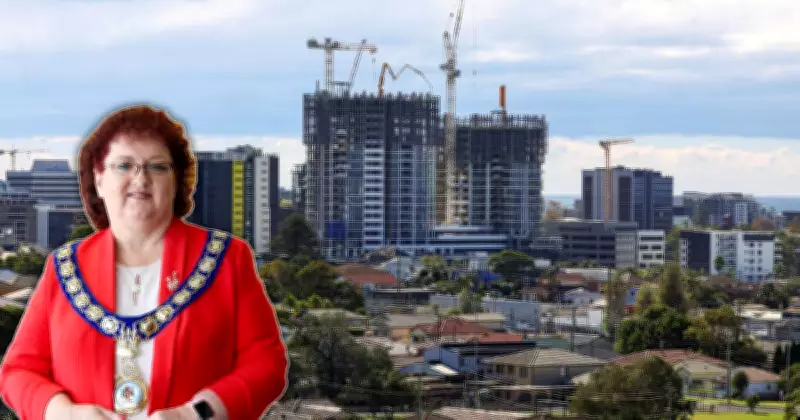
Wollongong City Council has taken a significant step towards sustainability by voting to ban natural gas connections in all new apartment buildings. The decision, which will take effect from July 1, 2025, is part of the council's broader strategy to achieve net-zero emissions by 2050.
Details of the Ban
The ban applies to all new residential apartment developments that submit development applications after the June 30 deadline. Existing apartments and houses are not affected by this ruling. The move is expected to reduce greenhouse gas emissions and promote the use of renewable energy sources.
Council's Vision
Council Lord Mayor Gordon Bradbery emphasized the importance of this decision, stating that it aligns with the community's expectations for a cleaner and more sustainable future. "This is a proactive step towards reducing our carbon footprint and ensuring that new developments are energy-efficient and environmentally friendly," he said.

Reactions from the Community
The ban has received mixed reactions. Environmental groups have praised the council for taking decisive action, while some developers have expressed concerns about increased costs and the feasibility of transitioning to all-electric buildings. However, the council has assured that support and guidance will be provided to help developers adapt.
Impact on Residents
For future residents of new apartments, this means that cooking and heating will rely solely on electricity. The council encourages the use of efficient electric appliances, such as induction cooktops and heat pumps, which can be powered by renewable energy sources like solar power.
Broader Context
Wollongong is not alone in this move. Several other councils across Australia have implemented similar bans, reflecting a growing trend towards phasing out gas in new buildings. This aligns with state and federal government targets for reducing emissions and transitioning to a clean energy economy.
The council will monitor the implementation of the ban and may consider extending it to other types of buildings in the future. For now, the focus remains on ensuring a smooth transition for developers and residents alike.