The Queensland government has announced a $6 million funding package to combat the spread of yellow crazy ants in the state's Wet Tropics region. The invasive species, known for its destructive impact on native wildlife and ecosystems, has been a growing concern for environmental authorities.
Funding to Protect Biodiversity
The funding will be used to expand surveillance and eradication efforts across the Wet Tropics, a UNESCO World Heritage site. The region is home to a diverse range of flora and fauna, including many species found nowhere else on Earth. The yellow crazy ants pose a significant threat to this biodiversity by outcompeting native insects and disrupting ecological processes.
Details of the Initiative
The $6 million package will support a multi-pronged approach, including:

- Increased surveillance: Deploying more teams to detect and monitor ant infestations.
- Targeted baiting programs: Using environmentally friendly baits to eliminate ant colonies.
- Community engagement: Educating residents and landholders on how to identify and report sightings.
- Research and innovation: Developing new methods to control and prevent the spread of yellow crazy ants.
The initiative is part of a broader strategy to protect the Wet Tropics from invasive species, which are one of the greatest threats to the region's ecological integrity.
Impact of Yellow Crazy Ants
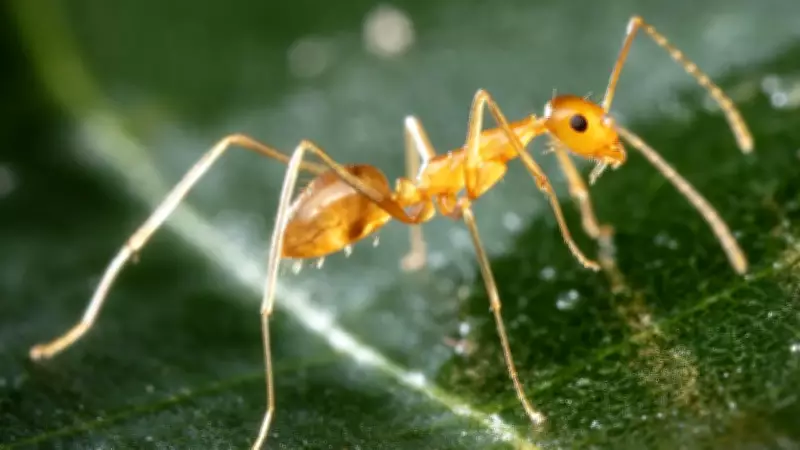
Yellow crazy ants (Anoplolepis gracilipes) are among the world's worst invasive species. They form supercolonies that can cover vast areas, displacing native animals and plants. The ants spray formic acid to subdue prey, which can blind and kill larger animals such as birds and reptiles. Their presence also disrupts seed dispersal and pollination, leading to long-term ecological damage.
Community and Government Response
Queensland's Minister for the Environment and the Great Barrier Reef said the funding demonstrates the government's commitment to protecting the state's natural heritage. Local conservation groups have welcomed the announcement, emphasizing the need for sustained action. Community members are urged to report any suspected sightings to authorities to help contain the spread.
The effort is part of a larger national campaign against invasive species, which costs Australia billions of dollars annually in environmental and agricultural damage. The success of this initiative could serve as a model for other regions facing similar threats.