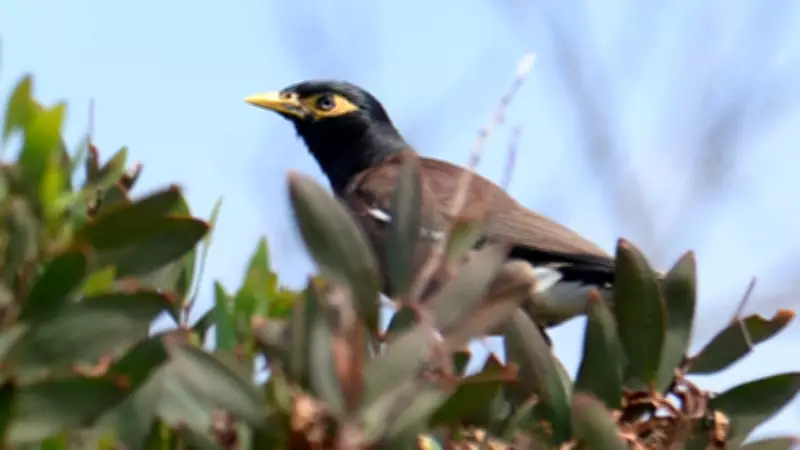
Residents and environmentalists in Townsville are intensifying calls for a cull of the invasive Indian myna bird, following neighbouring regions' plans to control the species. The birds, known for their aggressive behaviour, pose a significant threat to native wildlife by competing for nesting sites and food, and they can also spread diseases.
Growing Concern Over Invasive Species
Indian mynas, also known as common mynas, have become a widespread pest in urban areas across Queensland. In Townsville, their population has surged, leading to increased conflicts with native birds such as lorikeets and kookaburras. Local conservation groups argue that without intervention, the ecological balance will be further disrupted.
Neighbouring Regions Take Action
Neighbouring councils, including those in the Cassowary Coast and Hinchinbrook regions, have already developed management plans that include trapping and euthanising the birds. These initiatives have shown some success in reducing myna numbers, prompting Townsville residents to demand similar measures.

“We’ve seen the damage these birds cause firsthand,” said a local environmental advocate. “They take over nests, drive away native species, and create noise and mess. It’s time for our council to act decisively.”
Potential Control Methods
Experts recommend a combination of trapping, public education, and habitat modification to control Indian myna populations. Trapping programs, where birds are humanely euthanised after capture, have been effective in other parts of Australia. Additionally, residents are encouraged to reduce food sources by securing rubbish bins and not feeding birds.
Impact on Native Wildlife
The Indian myna is listed as one of the world’s most invasive species. In Australia, it outcompetes native birds for hollows and nesting sites, leading to declines in species like the rainbow lorikeet and sulphur-crested cockatoo. They also prey on eggs and chicks of smaller birds, further exacerbating the problem.
“The situation is critical,” said a wildlife biologist from James Cook University. “If we don’t act now, we risk losing more of our unique native bird species.”
Community Response
Many Townsville residents have expressed frustration with the lack of action from local authorities. Social media groups dedicated to myna control have emerged, sharing tips on trapping and reporting sightings. A petition calling for a council-led cull has garnered hundreds of signatures.
“I’ve tried everything to keep them away from my garden, but they just keep coming back,” said a resident from North Ward. “We need a coordinated effort, not just individual actions.”
Council’s Stance
Townsville City Council has acknowledged the issue but has yet to commit to a full-scale cull. A spokesperson stated that the council is monitoring the situation and considering options, including public education and support for community-led trapping programs. However, critics argue that more aggressive measures are needed.
“The council needs to take a leadership role,” said a local environmental group leader. “We can’t rely on volunteers alone to solve this problem.”
Looking Ahead
As the debate continues, environmentalists hope that the success of neighbouring regions will spur Townsville into action. With the Indian myna population growing, the window for effective control is narrowing. The coming months will be crucial in determining whether Townsville follows suit or risks further ecological damage.