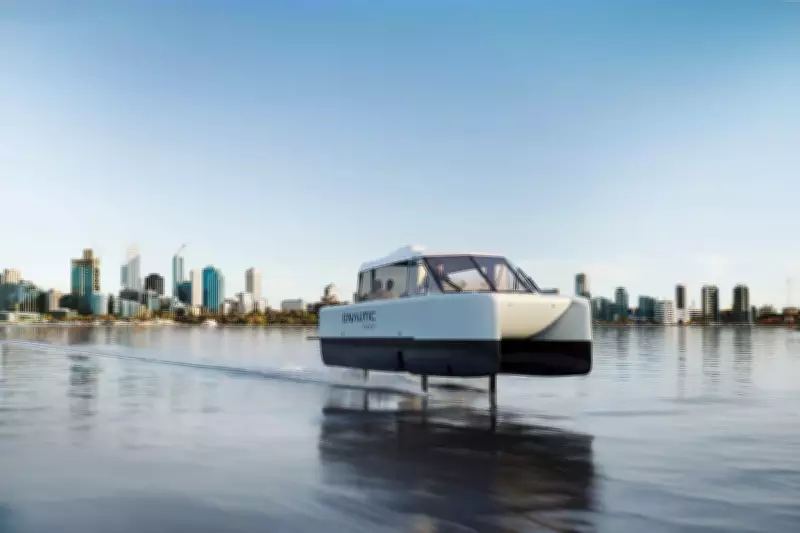
Electric Hydrofoil Ferries Set to Transform Swan River Transport
In a groundbreaking move for sustainable urban mobility, innovative electric hydrofoil ferries are scheduled to commence operations on Perth's iconic Swan River next year. This initiative marks a significant step forward in reducing emissions and noise pollution while enhancing the city's public transport network.
How Hydrofoil Technology Works
Unlike traditional ferries that plow through the water, these advanced vessels utilize hydrofoil technology to lift their hulls above the surface as they gain speed. This design allows them to glide smoothly over the water, dramatically reducing drag and energy consumption. The ferries are powered entirely by electricity, ensuring zero direct emissions during operation.
The benefits of this approach are multifaceted:

- Quieter journeys for passengers and minimal disturbance to river wildlife
- Lower operational costs due to reduced energy requirements
- Enhanced passenger comfort with a smoother ride compared to conventional boats
Environmental and Economic Impacts
The introduction of electric hydrofoil ferries aligns with broader environmental goals for Western Australia. By replacing or supplementing diesel-powered vessels, this project aims to cut carbon emissions and improve air quality along the river corridor. Additionally, it supports the state's push towards renewable energy integration in transport systems.
From an economic perspective, the ferries are expected to boost tourism and local business by offering a novel and eco-friendly way to experience the Swan River. Early estimates suggest they could carry hundreds of passengers daily, providing a reliable alternative to road-based transport during peak hours.
Implementation Timeline and Future Prospects
Testing and deployment phases are planned throughout 2024, with full commercial service targeted for 2025. Authorities are collaborating with technology partners to ensure safety standards and operational efficiency are met. If successful, this pilot project could pave the way for similar implementations in other Australian waterways, potentially revolutionizing coastal and river transport nationwide.
This development underscores a growing trend towards electrification in maritime sectors, highlighting how innovation can drive sustainable urban development while preserving natural landscapes.