Waratah Super Battery Transformer Failure Delays Full Operation
A significant transformer failure at the Waratah Super Battery project in New South Wales has resulted in delays to its full operational capacity, affecting Australia's renewable energy infrastructure. The incident, which occurred recently, has raised concerns about grid stability and the reliability of large-scale energy storage systems.
Details of the Transformer Failure
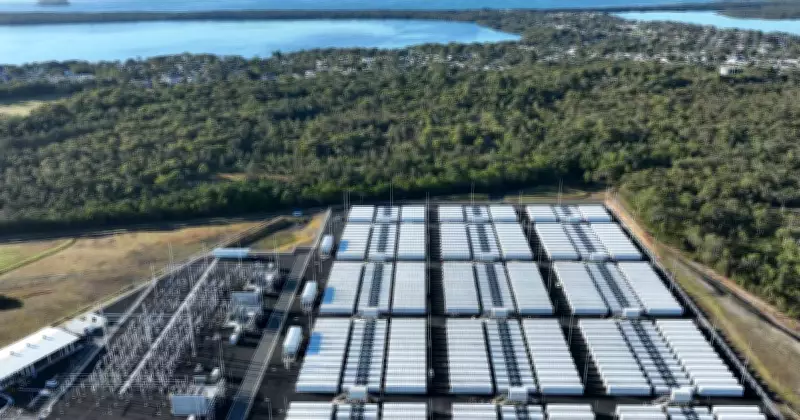
The transformer failure was identified during routine testing and commissioning phases of the Waratah Super Battery, one of Australia's largest battery storage projects. Engineers and technicians are currently investigating the root cause of the malfunction, which has temporarily halted the battery's ability to operate at its intended full capacity.
This delay means that the battery cannot yet provide its planned support to the electricity grid, which is crucial for managing fluctuations in renewable energy supply from sources like solar and wind.

Impact on Renewable Energy Grid
The Waratah Super Battery is designed to enhance grid stability by storing excess energy during periods of high renewable generation and releasing it during peak demand. With the transformer failure, the project's contribution to reducing reliance on fossil fuels and preventing blackouts is compromised.
Authorities have emphasized that while the delay is a setback, it does not pose an immediate threat to power supply in New South Wales. However, it underscores the challenges in deploying advanced energy storage technologies at scale.
Response and Next Steps
Project managers and energy officials are working diligently to repair or replace the faulty transformer. They have assured the public that safety protocols are being followed, and efforts are underway to minimize the downtime.
In the meantime, alternative measures are being considered to mitigate any potential impacts on the grid, including adjustments to other energy sources and storage facilities.
Broader Implications for Australia's Energy Transition
This incident highlights the importance of robust infrastructure in Australia's transition to renewable energy. As the country aims to meet its climate goals, reliable energy storage systems like the Waratah Super Battery are critical for ensuring a stable and sustainable power supply.
Experts suggest that such delays, while unfortunate, provide valuable lessons for future projects, emphasizing the need for thorough testing and contingency planning in the renewable energy sector.