ANU Physicist Powers Canberra Commute with Solar Energy Innovation
In a groundbreaking development from the Australian National University (ANU), a physicist has successfully powered his daily commute in Canberra using pure solar energy. This innovative approach highlights the potential for sustainable transportation solutions in urban environments, leveraging advanced solar technology to reduce reliance on fossil fuels.
Harnessing Sunshine for Daily Travel
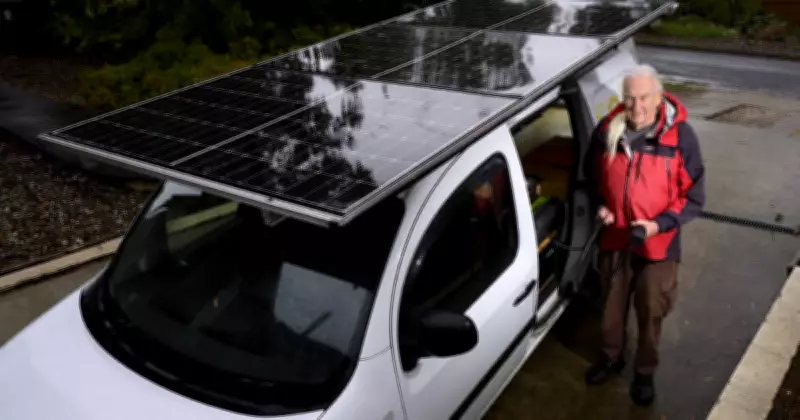
The physicist, based at ANU, has engineered a system that captures and converts sunlight into usable energy for commuting purposes. By integrating high-efficiency solar panels with energy storage units, he ensures a consistent power supply even during periods of low sunlight. This setup not only supports his personal travel needs but also serves as a practical demonstration of renewable energy applications in everyday life.
The system operates by collecting solar energy during the day, which is then stored in batteries for use during commutes. This method eliminates the need for traditional fuel sources, significantly cutting carbon emissions and promoting environmental sustainability. The physicist's commute, which covers typical distances within Canberra, is now entirely powered by this solar setup, showcasing a viable alternative to conventional vehicles.

Implications for Sustainable Urban Mobility
This project underscores the growing importance of renewable energy in addressing climate change and urban pollution. By applying physics principles to real-world challenges, the ANU researcher is contributing to the broader field of green technology. His work aligns with global efforts to transition towards cleaner energy systems, particularly in transportation, which is a major contributor to greenhouse gas emissions.
The innovation has garnered attention for its simplicity and effectiveness, proving that solar power can be harnessed for more than just stationary applications. It opens up possibilities for wider adoption in cities like Canberra, where sunny conditions are abundant, potentially inspiring similar initiatives among commuters and policymakers.
Future Prospects and Community Impact
Looking ahead, this solar-powered commuting system could influence local energy policies and encourage investment in renewable infrastructure. The physicist's success story may motivate other researchers and citizens to explore solar solutions, fostering a culture of sustainability in the community. Additionally, it highlights ANU's role in pioneering research that bridges academic science with practical environmental benefits.
In summary, the ANU physicist's achievement in powering his Canberra commute with pure sunshine represents a significant step forward in sustainable transportation. By demonstrating the feasibility of solar energy for daily travel, this innovation contributes to a greener future and sets an example for eco-friendly commuting practices worldwide.