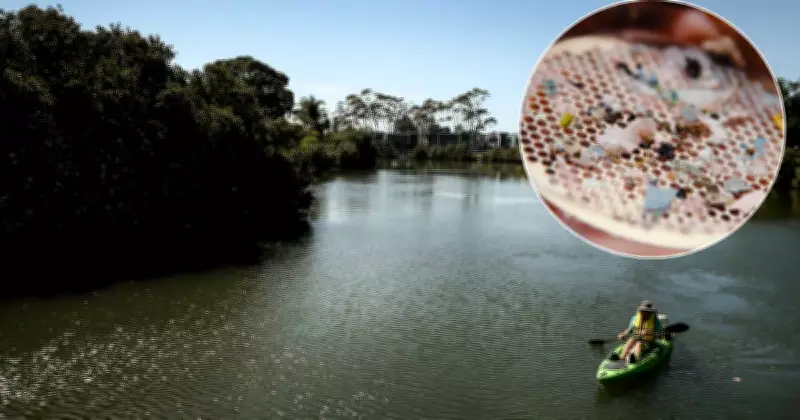
Throsby Creek Named Fifth Most Polluted in Landmark Australian Study
In a groundbreaking first-of-its-kind national assessment, Throsby Creek in Newcastle has been ranked as the fifth most polluted waterway across Australia. This comprehensive study, which marks a significant milestone in environmental monitoring, has unveiled alarming levels of contamination in urban creeks, with Throsby Creek emerging as a critical hotspot for pollutants.
Unprecedented National Analysis Reveals Severe Contamination
The research represents the inaugural Australian-wide investigation into waterway pollution, systematically evaluating numerous sites to identify the most severely affected areas. Throsby Creek's placement in the top five underscores the persistent and severe environmental challenges facing this urban watercourse. The study's methodology involved rigorous sampling and analysis, providing a robust dataset that highlights the extent of degradation in waterways like Throsby Creek.
Key findings from the study indicate that Throsby Creek suffers from high concentrations of various pollutants, including heavy metals, chemicals, and debris. These contaminants pose significant risks to aquatic ecosystems and potentially to public health, given the creek's location in a populated urban area. The ranking serves as a stark reminder of the urgent need for targeted remediation efforts and stricter pollution controls.

Implications for Newcastle and Environmental Policy
For Newcastle, this ranking places Throsby Creek at the forefront of national environmental concerns, prompting calls for immediate action from local authorities and community groups. The creek's pollution levels reflect broader issues related to urban runoff, industrial discharge, and inadequate waste management practices that are prevalent in many Australian cities.
The study's results are expected to influence environmental policy at both state and federal levels, driving initiatives to improve water quality standards and enhance monitoring programs. Experts emphasize that addressing the pollution in Throsby Creek could serve as a model for rehabilitating other contaminated waterways across the country.
Community and Expert Reactions
Local residents and environmental advocates have expressed deep concern over the findings, urging for collaborative efforts to restore Throsby Creek. Community-led clean-up campaigns and advocacy for stronger regulatory measures are gaining momentum in response to the study's revelations.
- Increased monitoring and reporting of pollution sources
- Implementation of advanced filtration systems to reduce contaminant inflow
- Public awareness campaigns to educate on reducing urban runoff
- Partnerships between government, industry, and community groups for sustainable solutions
Scientists involved in the study highlight that while the results are concerning, they provide a crucial baseline for future assessments and interventions. Ongoing research will track changes in pollution levels over time, assessing the effectiveness of any implemented measures.
Looking Ahead: Pathways to Improvement
The identification of Throsby Creek as one of Australia's most polluted waterways underscores the pressing need for comprehensive environmental strategies. Proposed solutions include upgrading infrastructure to manage stormwater better, enforcing stricter industrial regulations, and promoting community engagement in conservation efforts.
This study not only sheds light on the specific issues plaguing Throsby Creek but also contributes to a broader understanding of water pollution in urban settings. As Australia continues to grapple with environmental sustainability, the findings from this research will likely inform policy decisions and inspire action to protect and restore vital waterways nationwide.