South Australia is tightening fishing restrictions for three important marine species as the state government winds back algal bloom testing and beach clean-up operations.
New fishing limits imposed
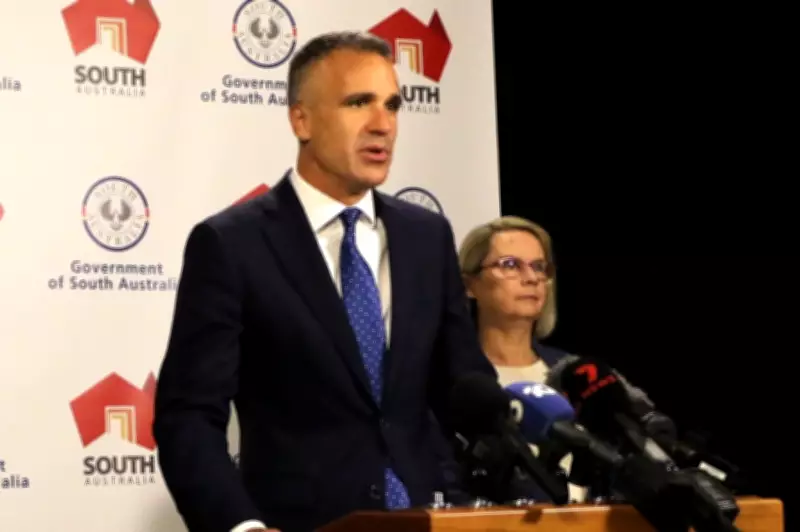
Premier Peter Malinauskas announced on Monday that recreational and commercial fishers will face stricter catch limits on King George whiting, snapper, and southern calamari. The new measures aim to protect these stocks during the ongoing harmful algal bloom event that has affected Gulf St Vincent and Spencer Gulf.
From next week, the daily bag limit for King George whiting will be reduced from 12 to 8 per person, while snapper will be cut from 5 to 3. Southern calamari will see a reduction from 20 to 15 per person. The changes will remain in place until further notice.

Testing and clean-ups scaled back
Meanwhile, the government is winding down intensive algal bloom monitoring and beach clean-up programs that were ramped up after the bloom first appeared in February. Officials say the bloom is naturally dissipating, allowing resources to be redirected.
“We are confident the worst of this event is behind us, but we must remain vigilant,” Premier Malinauskas said. “The fishing restrictions are a precautionary step to ensure the long-term health of our fisheries.”
The algal bloom, caused by the dinoflagellate Karenia mikimotoi, has led to fish kills and beach closures across the region. Testing will now focus on key recreational fishing spots rather than broad surveillance, and beach clean-ups will be reduced to weekly schedules.
Industry and community reaction
Fishing industry representatives have expressed mixed feelings. Some welcome the reduced testing as a sign the crisis is easing, while others worry about the economic impact of tighter catch limits.
“We understand the need for conservation, but these cuts will hurt local businesses that depend on tourism and fishing charters,” said a spokesperson for the South Australian Fishing Industry Council.
Environmental groups have praised the government’s cautious approach. “Protecting these species now will pay off in the long run,” said a marine biologist from the University of Adelaide.
The public is advised to check the latest fishing regulations before heading out and to report any unusual marine life deaths to the relevant authorities.