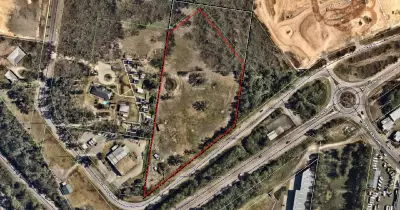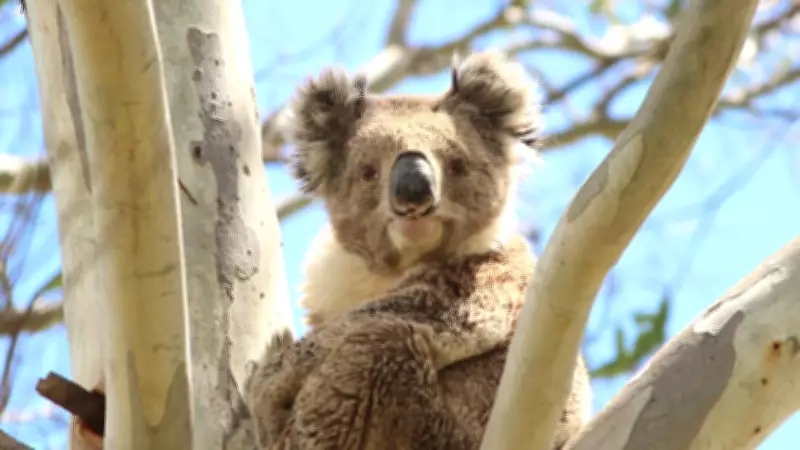
The koala population along the Moorabool River in Victoria has tripled following a large-scale revegetation project by conservation groups. Animal welfare organisations planted more than 11,000 shrubs and trees in Staughton Vale to restore the native habitat and encourage koalas to return to the area.
Project Details and Monitoring
The Koala Clancy Foundation and the International Fund for Animal Welfare (IFAW) carried out the planting during the winters of 2023 and 2024. To assess the impact, audio recorders were set up in November of both years, coinciding with the koala breeding season, to capture their calls.
Janine Duffy, president of the Koala Clancy Foundation, said the early results from the second year of monitoring were astonishing. “Koala calls had tripled in the second year of monitoring,” she said. “We really hoped to find an increase in koalas using the property as a result of our revegetation, but we expected it would take more than just one year.”

Evidence of Breeding Activity
The recordings revealed the presence of several different males and even captured a short recording of a female and male mating. Ms Duffy explained that before the project, koalas would pass through the area but not stay due to a lack of suitable habitat. “Many locals will say they see a koala once, and then never see it again,” she noted.
She added: “What makes this result really exciting is that we are only part-way through analysing this data. Audio monitoring generates many hundreds of hours of recordings, which takes months to process. It’s possible that the growth is even higher than we think, and that the koalas are staying longer on the site. This is a tremendous result in the Moorabool River area, where koalas have been in decline for decades.”
Conservation Impact
Josey Sharrad, head of programs at IFAW, said it was powerful to hear the koala calls return to the landscape. “Koalas across Australia are disappearing as their homes are being cleared,” she said. “These trees are still young, yet koalas are already using the site. It shows just how desperately koalas need safe habitat, and how quickly they will respond when we give it back to them.”
Ms Duffy plans to monitor the population again in November of this year and every two years thereafter. “It is my greatest hope to one day see a thriving colony of koalas in this region,” she said.